

 See My Latest Article on HelloNation
How Did Ballet Begin?
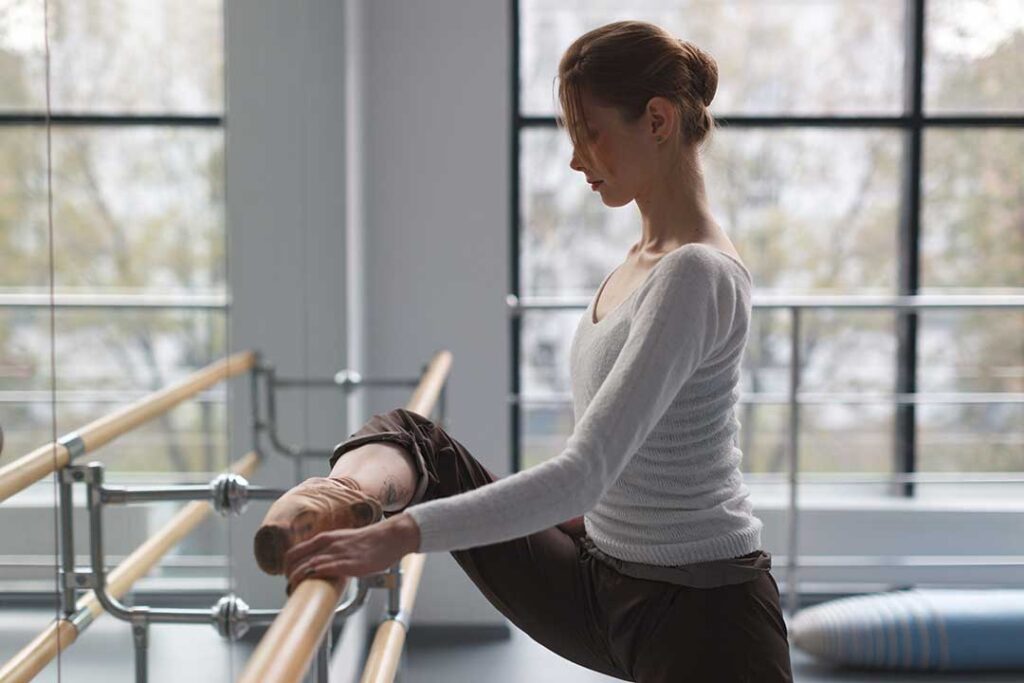
Ballet’s history traces back to the 15th and 16th centuries in the Italian Renaissance courts, where lavish celebrations combined dance, music, and storytelling. These early performances, known as “ballets de cour,” were mostly for the enjoyment of royalty and the upper class. Over time, the art form spread to France, where King Louis XIV, himself a passionate dancer, helped formalize ballet by establishing the first dance academy in the 17th century.
This period set many of the foundational ballet terms and techniques still used today. The structure, positions, and etiquette of these early ballets became standardized, paving the way for ballet to evolve into a professional art.
How Has Ballet Changed Through the Centuries?
Ballet has gone through multiple transformations, influenced by changes in society, music, and art:
- Baroque and Classical Eras: Costumes became lighter and more functional, allowing dancers more freedom of movement. Ballets began to tell clearer stories using pantomime and expressive movement.
- Romantic Period (1800s): Ballets incorporated themes of fantasy, supernatural beings, and unrequited love. Dancers began performing en pointe, creating the illusion of lightness and ethereal presence.
- Russian Influence (late 19th to early 20th century): Russian choreographers and composers helped ballet become known for large-scale productions. Tchaikovsky’s scores for "The Nutcracker," "Swan Lake," and "Sleeping Beauty" remain staples.
- Modern and Contemporary Ballet: Choreographers in the 20th century started to challenge traditional steps and costumes, blending other dance styles, experimenting with abstract themes, and using modern music.
Local students and families often experience both traditional and contemporary ballet styles in community recitals or school programs throughout the area.
Why Is Ballet Still Practiced Today?
Although ballet originated centuries ago, it remains significant for several practical reasons:
- Its disciplined technique provides a strong foundation for almost every form of dance.
- Ballet is valued for building strength, flexibility, alignment, and musicality.
- Performances continue to offer meaningful cultural and artistic experiences for both youth and adults.
Ballet also delivers benefits outside of dance studios, supporting mental focus, teamwork, and confidence, which local parents see reflected in their children’s other activities and schooling.
What Are Common Misunderstandings About Ballet?
Ballet is sometimes viewed as outdated or exclusive, but the reality is more inclusive and adaptable:
- Many believe only professionals can pursue ballet, but local studios typically welcome students of all ages and skill levels.
- Ballet costumes and traditions adapt with the times. For example, leggings and leotards are now common attire, replacing restrictive garments of the past.
- Ballet is not strictly for girls. Boys and men have always played a vital role in the art, and many local programs actively encourage broader participation.
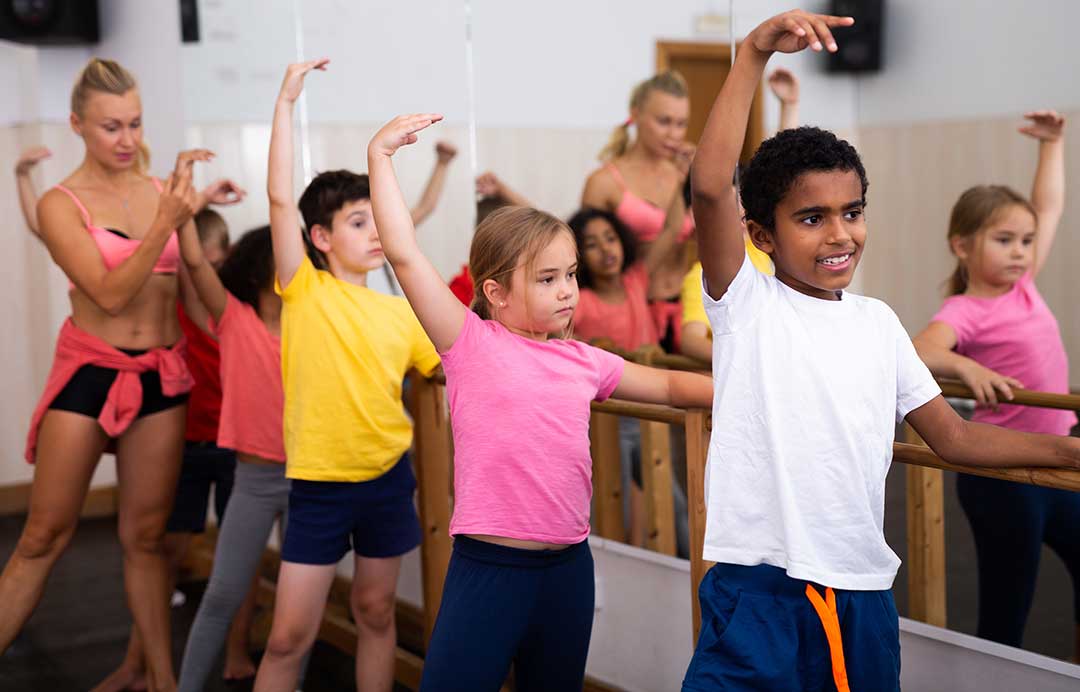
Understanding ballet’s true nature helps break down barriers for new dancers and dispels outdated stereotypes in the city’s learning environments.
What Practical Steps Can Beginners Take to Learn About Ballet?
For those interested in learning ballet, the process is welcoming, regardless of experience. Here’s how beginners can get involved:
- Observe or attend a local performance to become acquainted with ballet’s style and structure.
- Participate in introductory classes—many area recreation centers or arts programs offer options for all ages.
- Watch instructional videos tailored for beginners to understand basic positions and movements.
- Explore books or reputable online resources about ballet history to deepen appreciation of the art form.
Each step allows residents to engage with ballet at their own pace and level of comfort.
How Does Ballet Influence Local Culture and Activities?
Ballet contributes to the city’s cultural events and recreation. Annual school performances typically feature ballet numbers, introducing hundreds of local students to foundational dance movement. Community events in parks or theaters sometimes incorporate ballet showcases, offering opportunities for families to see dancers of all ages in action.
Ballet’s influence is also evident in crossover with other performing arts—musicals, theater, and even certain fitness classes often draw from ballet concepts to enhance movement, storytelling, and stagecraft.
Does Ballet Look Different in Modern Times?
Current ballet practice blends tradition and innovation. Many classes now feature an array of music genres—not just classical music—for warmups and choreography. Choreographers frequently experiment with narrative and abstract pieces, breaking away from strictly story-driven performances.
Many students appreciate the focus on expression, athleticism, and inclusivity found in today’s ballet lessons and productions. This modern approach helps ballet remain relevant and accessible to a broader audience in contemporary community life.