

 See My Latest Article on HelloNation
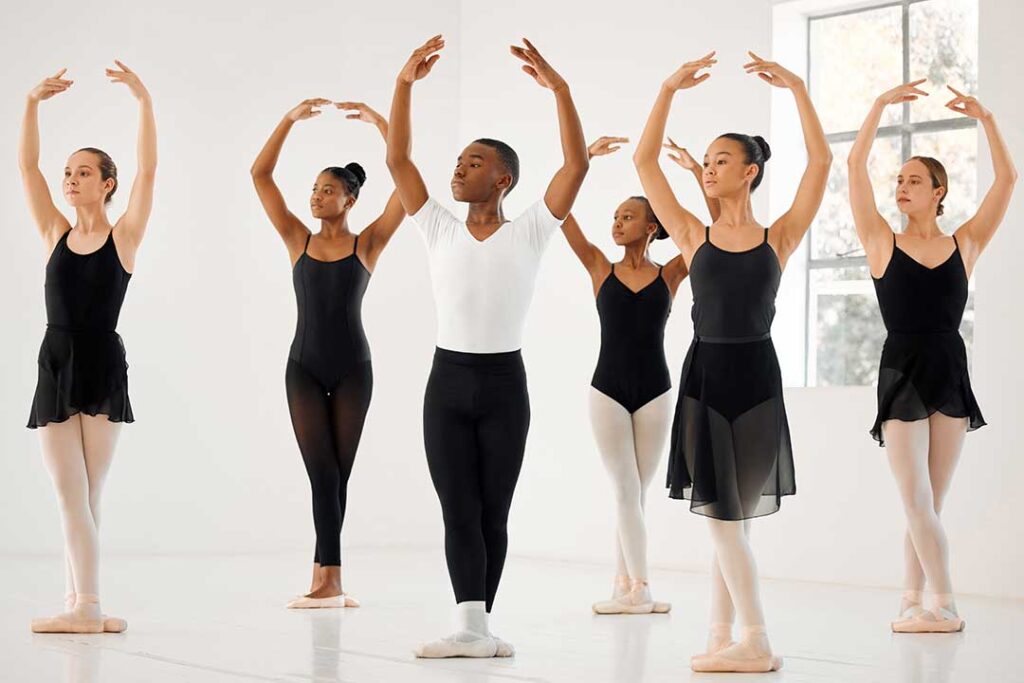
What Factors Should You Consider When Searching for a Dance Studio in the Area?
Start by clarifying your personal or family needs. Consider the dancer’s age, skill level, dance styles of interest, and goals—whether for recreation, exercise, social connection, or potential competitive training. Local studios have a range of offerings, from beginner ballet and jazz for children to fitness dance or serious technical classes for teens and adults. The best match often depends on finding a place where both the curriculum and the environment feel comfortable for you or your child.
For young children, accessibility and a welcoming environment often matter most, while older dancers may prioritize teaching credentials or specialization in a particular dance discipline.
How Important Are Instructors’ Qualifications and Teaching Style?
The quality of dance instruction is shaped by both expertise and teaching approach. A studio with instructors experienced in a range of styles—ballet, hip hop, tap, contemporary, or ballroom—gives students more opportunity to explore. Look for evidence of formal training, certification, or continued professional development. In a community setting, positive rapport matters as much as credentials, so observe classes if possible or talk to other area families about how teachers engage with students at different learning levels.
An overlooked factor is adaptability: effective teachers tailor feedback and techniques for different ages and body types, fostering a sense of inclusion and progress for all dancers.
What Does a Safe and Supportive Environment Look Like?
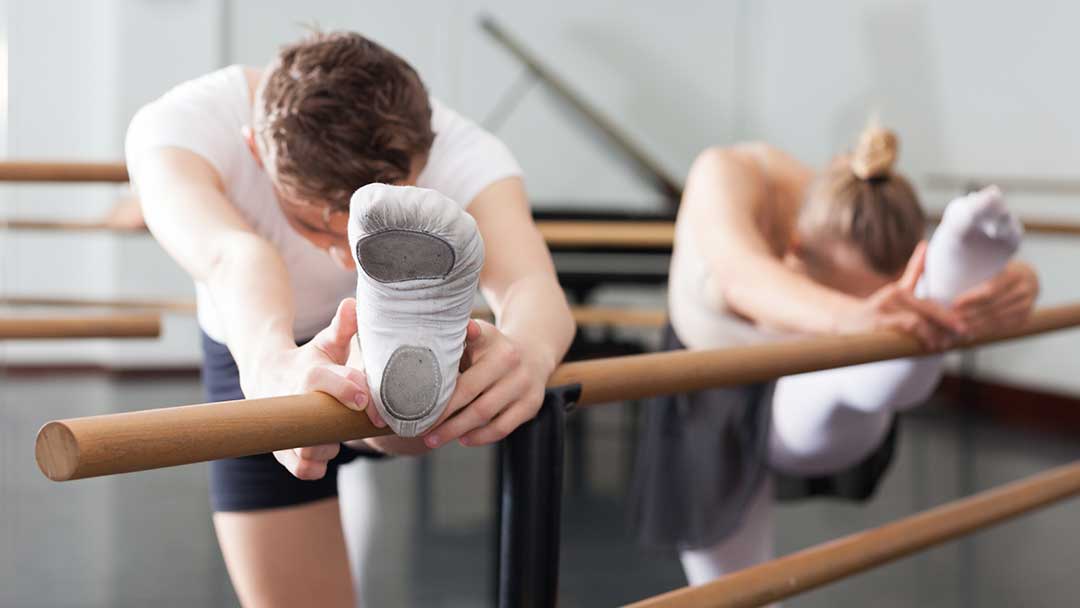
A studio’s physical setup and culture play a significant role in injury prevention and enjoyment. Space should be clean, well-lit, and ventilated, with proper sprung flooring to minimize impact on joints. Check for age-appropriate amenities—like waiting areas for families, changing facilities, and adequate room for group classes.
In terms of atmosphere, dancers thrive in spaces where respect and encouragement are expected. Many parents in Joliet value studios where social belonging and teamwork are part of the experience as much as technical skill-building.
How Can Location and Schedule Affect Your Experience?
For many local families, proximity to home, schools, or transit routes determines whether regular participation is sustainable—especially with the city’s mix of neighborhoods and busy streets. Consider how easily you can arrive on time, find parking, and navigate winter weather. Schedules should match your availability without overwhelming family routines; some studios offer flexible class times, sessional options, or makeup classes that work well with unpredictable Midwest seasons or school calendars.
Are Trial Classes or Observation Opportunities Available?
Trying before committing can make all the difference. Some studios allow observation or offer a complimentary first class: this is a practical way to gauge class size, teaching style, and peer dynamics. Watch how instructors interact with dancers, and see if students seem engaged and supported. Trial experiences also offer a chance to notice logistical details, like ease of drop-off and pick-up, or how staff communicate with families—key for building trust over time.
How Should You Evaluate Costs and Hidden Expenses?
Cost varies with dance type, class frequency, and studio offerings. Typical fees include tuition, registration, and occasional costume or recital charges. Make sure you understand the full expense picture: ask about additional charges for performances, attire, or extra workshops. Some local studios structure payments by season, while others bill monthly or per session.
A common misconception is that the most expensive option always provides the best quality; in reality, high-value instruction and positive community atmosphere can be found at many price points.
What Questions Might Residents Overlook But Should Ask?
Beyond the basics, ask studios about:
- Teacher-to-student ratios (smaller groups can mean more individualized attention)
- Communication methods for updates, cancellations, or emergencies
- Policies on illness, makeup classes, and snow days—important for Illinois winters
- Whether the studio participates in local events, showcases, or workshops that add to the dance experience
Also, check if the environment welcomes a diversity of ages, body types, and cultural backgrounds, reflecting the community spirit of Joliet’s families.
How Can Community Reputation and Word-of-Mouth Help?
Feedback from neighbors, classmates, or local online groups can give real insight into a studio’s culture and reliability. Trust the lived experiences of other families, but recognize that each dancer’s needs differ; what works well for one household may not suit another. Look for recurring themes in feedback—such as strong organization, positive staff interactions, and support for both serious and recreational dancers.
What Role Do Recitals and Performances Play?
For many families, local recitals are memorable milestones, offering chances for students to showcase progress and build confidence. Ask how frequently the studio holds performances and if participation is optional. Performance requirements can affect time and financial commitment, so understanding expectations in advance avoids surprises.