

 See My Latest Article on HelloNation
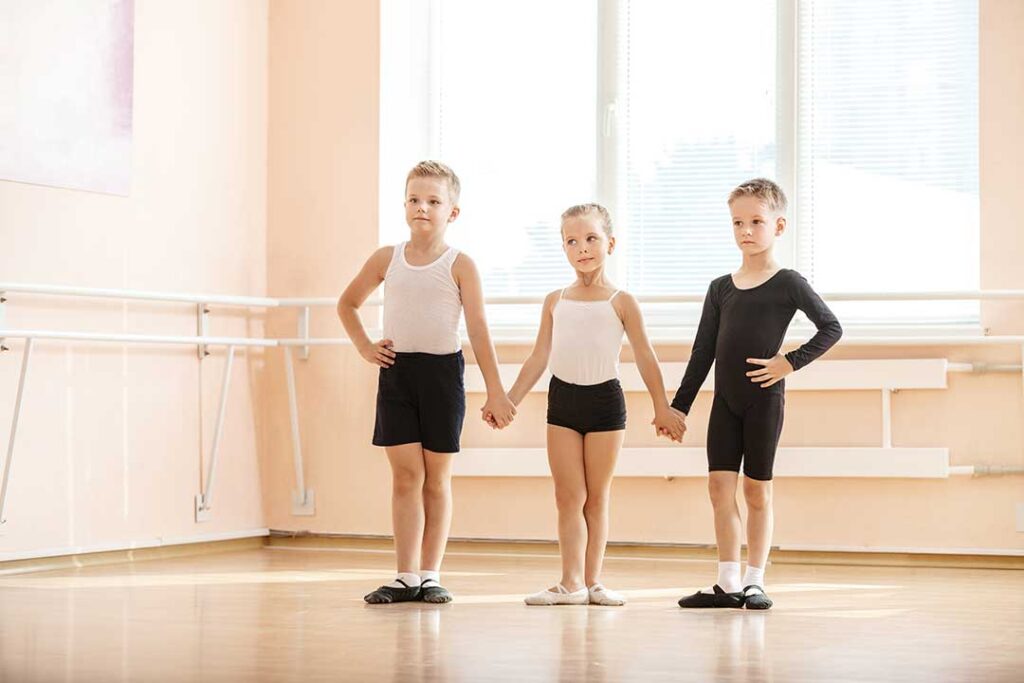
How Does Dance Benefit Mental Health in Joliet, IL?
Dance offers more than physical exercise—it can make a real difference for mental health by encouraging self-expression, reducing stress, and building social connection. In Joliet, IL, residents find that participating in dance activities helps manage daily pressures and builds a sense of belonging. Whether moving in a class, recreational group, or school program, dance provides a positive outlet for emotions and can be part of a well-rounded approach to mental wellness.
Why Does Moving to Music Improve Mood?
Research shows that physical movement, combined with music, can boost mood by increasing endorphins and lowering stress hormones. Dance offers accessible ways to achieve these benefits without special equipment or expensive gear. The rhythmic nature of music and structured movement can help area residents shake off negative feelings, feel energized, and experience joy—even during long winters or high-stress periods.
How Does Dance Combat Stress and Anxiety?
Engaging in dance regularly, even for a short time, can have a measurable impact on daily stress and feelings of anxiety. Locals often report feeling more relaxed and clear-headed after a dance session, thanks to:
- Focus on movement, which distracts from anxious thoughts.
- Deep breathing and rhythmic patterns that naturally calm the body.
- Opportunities for creative expression, making it easier to process difficult emotions.
During tough stretches, such as seasonal transitions or busy family schedules, taking time for dance can reset the mind and make daily challenges feel more manageable.
Can Dance Help Build Confidence and Emotional Resilience?
Dance environments provide a supportive space where area residents, including children and adults, can safely explore new abilities and overcome self-doubt. Achieving dance moves, learning routines, or performing—whether informally or as part of a group—can:
- Foster self-efficacy by showing that effort leads to progress.
- Encourage step-by-step goal setting and accomplishment.
- Normalize mistakes, as part of learning, reducing fear of failure.
In a city with diverse communities and pressures unique to local life—such as adjusting to new schools or managing work-life balance—dance gives individuals tools to develop resilience.
How Do Social Connections in Dance Affect Well-Being?
Connecting with others is a protective factor for mental health. Dance often brings people together, bridging age, background, and skill. In local settings, dance classes, recreational groups, or school activities allow for:
- Shared experiences, which create a sense of belonging.
- Supportive encouragement from peers and instructors.
- Healthy interpersonal interactions, reducing isolation.
For many area households, participating in group dance activities or informal gatherings can help create lasting friendships and support systems.
Is Dance Beneficial for All Ages?
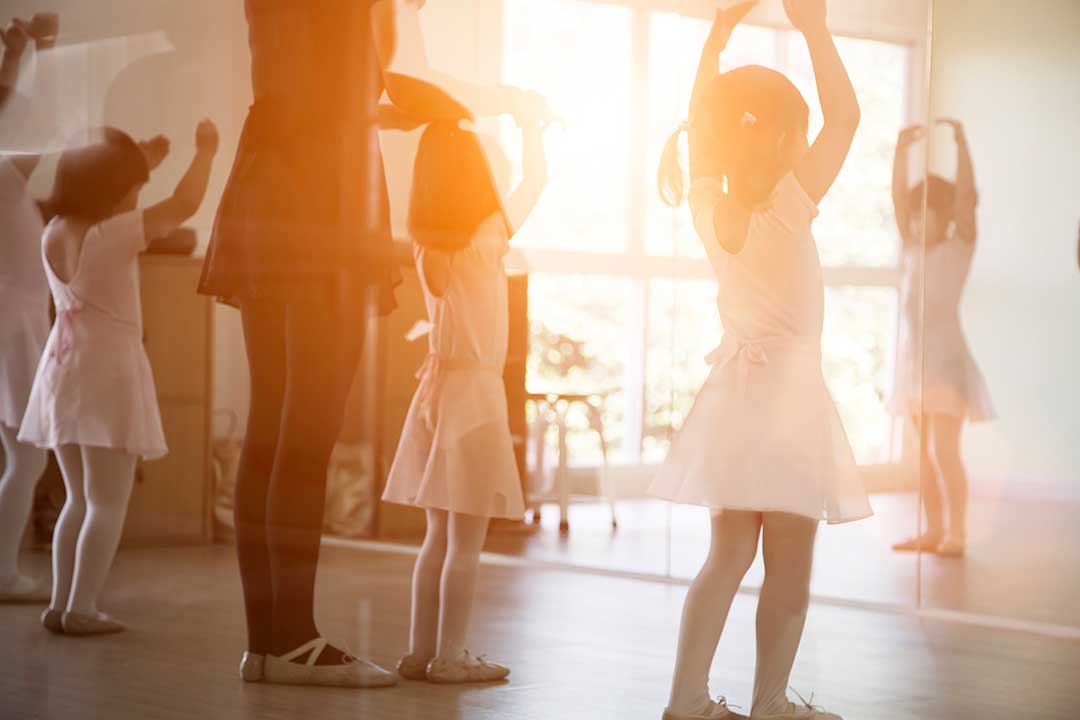
People of every age group in Joliet, IL have access to dance opportunities, making it a lifelong resource for mental wellness. Children and teens benefit from movement outlets that help with attention, emotional regulation, and positive peer interaction. Adults and older residents often find stress reduction, memory support, and social engagement through dance.
Practical adaptations—like low-impact movement for seniors or inclusive approaches for those with mobility differences—make dance widely accessible in the community.
What Are Common Misconceptions About Dance and Mental Well-being?
There are a few beliefs that may limit access to the benefits of dance:
- Only skilled dancers benefit. In truth, everyone—regardless of level—can experience improvements in well-being through participation.
- Dance is only for the young. Modified and gentle movement can be suited for all bodies.
- Performance is required. Most mental health benefits come simply from participation, with or without an audience.
In practice, dance in the community often emphasizes enjoyment and participation over formal performance or competition.
How Can Joliet Residents Get Started with Dance for Mental Wellness?
Getting involved does not need to be overwhelming or expensive. Practical steps for local residents include:
- Exploring community centers, park programs, or school events for group sessions or informal dance nights.
- Dancing at home with family or solo using online tutorials or favorite music playlists.
- Looking for programs designed for specific ages or needs, which may be available in public facilities.
Regular, enjoyable movement—even if it’s just a few minutes of favorite music and dancing in the living room—can offer a mental health boost and help area residents feel more connected and resilient.