

 See My Latest Article on HelloNation
How Can Beginners Create a Practical Home Dance Space?
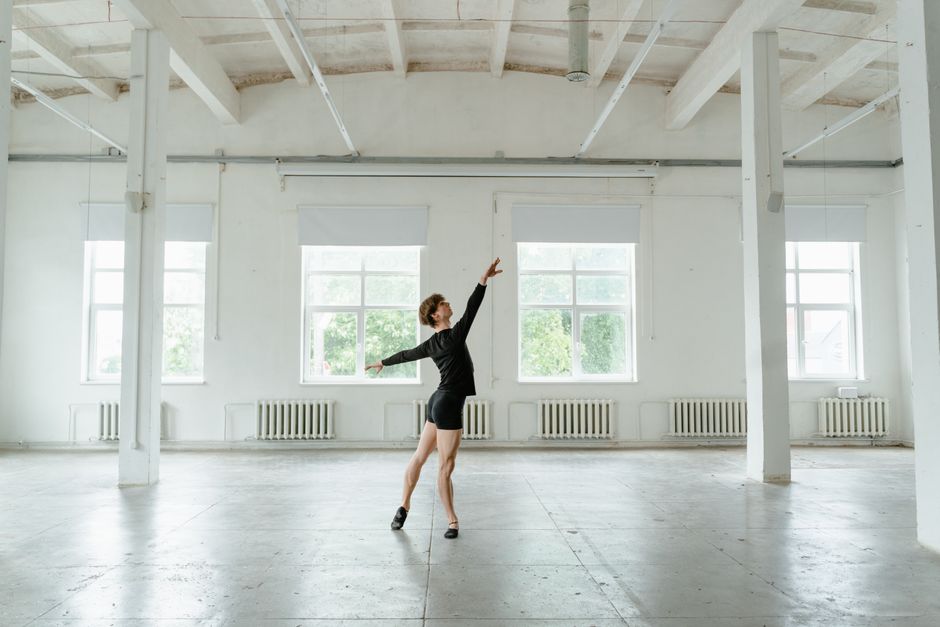
A clear, safe, and welcoming practice area supports skill-building and motivation. For those living in Joliet, the right space doesn’t require a dedicated studio or expensive equipment.
Consider these tips for setting up a home dance zone:
- Choose a low-traffic area, such as a corner of a living room or basement, where interruptions are minimal.
- Ensure floors are cleared of tripping hazards like rugs, cords, or clutter. While wooden or laminate floors are ideal, practicing in socks on carpet is a common adjustment in local homes with less hard flooring.
- Adequate lighting and enough headroom for arm movements are as important as a non-slippery surface.
- Hang a mirror if possible, even a temporary one, to check posture and alignment.
During winter months when outdoor activity is reduced in Joliet, indoor practice becomes especially valuable. Small, consistent adjustments—such as moving a coffee table aside—can make room for regular practice without permanent modifications.
What Kinds of Practice Are Most Useful at Home?
Focused repetition of core skills helps new dancers progress steadily. Most beginners benefit from:
- Practicing basic positions or steps learned in class, such as pliés, tendus, or simple combinations.
- Running through short routines without music, then with music, improving memory and timing.
- Stretching and gentle strengthening to increase flexibility and prevent injury.
Residents often ask if “free dancing” or improvising also counts. Allowing time for both structured and expressive movement fosters creativity and confidence.
Even five minutes spent reinforcing posture or balance daily makes a difference over time, especially for children and teens with busy schedules.
How Should Dancers Stay Motivated and Track Progress?
Setting simple, realistic goals keeps practice enjoyable. In Joliet households where schedules may be shaped by local school and work patterns, these steps help:
- Keep a calendar or notebook to log practice dates and what was covered.
- Record short practice videos (using a phone or tablet) to review technique.
- Celebrate small improvements, such as smoother turns or remembering a whole routine.
Misconceptions about rapid progress can lead to frustration. Progress is rarely linear, and the community’s variable seasonal routines mean some weeks will be less consistent than others.
What Should Local Residents Know About Disruptions and Safety?
Managing distractions and practicing safely are central for families and roommates sharing space in the city. Common local scenarios include:
- Practicing when the house is quieter, such as after school or before dinner.
- Use of headphones or moderate music volume to avoid disturbing neighbors, especially in apartments or townhomes with shared walls.
- Listening to your body—stop if you feel pain or dizziness.
Young children practicing dance at home should always be supervised, especially where stairs, sharp furniture, or pets might pose risks.
How Can Local Weather and Seasonality Affect Home Dance Practice?
Joliet’s climate features cold winters and humid summers, impacting both motivation and home conditions. During icy or snowy months, practice spaces may feel cramped as family members stay indoors more.
Residents can:
- Adjust practice to available space, shifting routines to fit smaller areas if needed.
- Use warmer months to include dance-inspired stretching or drills on patios, decks, or backyards, as long as surfaces are safe.
Skilled dancers sometimes overlook the value of stretching after practicing on cold winter evenings, but warming up and down remains essential year-round.
Can Household Items Help Beginner Dancers?
Many everyday objects can support practice, reducing the need for specialized gear:
- Chairs, counters, or sturdy tables substitute for ballet barres during balance or stretching exercises.
- Yoga mats provide extra cushion on hard floors for floorwork.
- Tap shoes are not needed for basic rhythm or footwork—bare feet or clean sneakers work well for beginners.
Local residents often repurpose space and household items creatively based on what’s available and practical for their living situation.
What Are Effective Ways to Make Dance Practice a Routine at Home?
Building dance into family or individual habits makes practice sustainable. Some find it helpful to:
- Link short practices to daily routines, like stretching after homework or before bedtime.
- Invite other family members to join, making it a shared activity.
- Use local community events or school showcases as milestones for preparing and sharing what’s been learned.
Dance need not require long sessions—short, frequent practices better complement the busy pace of local life.