

 See My Latest Article on HelloNation
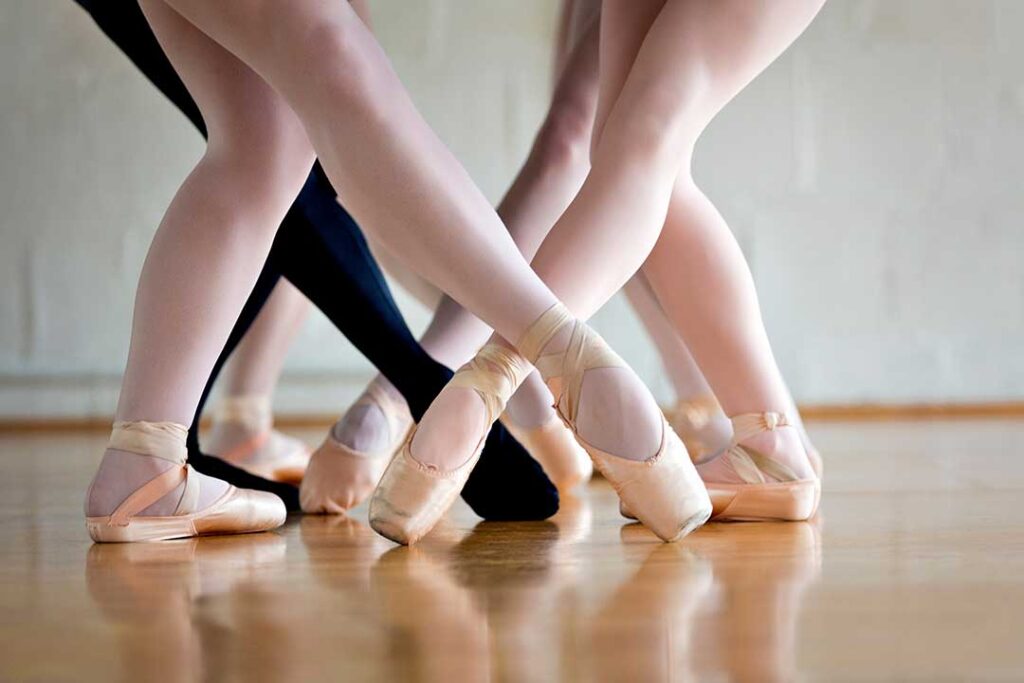
What Dance Injuries Happen Most Often in Joliet, IL?
Dance is a physically demanding activity, and injuries can happen to beginners and experienced dancers alike. In Joliet, IL, the most common dance-related injuries tend to include:
- Sprained ankles and twisted knees
- Tendonitis (especially in the Achilles or knee)
- Muscle strains, particularly in the hamstrings or calves
- Stress fractures, often in the feet or lower legs
These result from repetitive movement, sudden changes in direction, overuse, and, sometimes, improper flooring or footwear. Students who dance on hard, unyielding floors in local homes or community spaces—common in Joliet—are at higher risk for impact injuries.
What Causes Most Dance-Related Injuries?
Most dance injuries come from a combination of factors:
- Overuse: Practicing many hours without adequate rest can strain muscles and joints.
- Technique issues: Incorrect posture, landing, or alignment puts extra stress on the body.
- Insufficient warm-ups: Skipping or rushing warm-ups may lead to muscle tears or strains.
- Environmental hazards: Cold winter months in Joliet, where floors may be chilly and rooms less flexible, make muscles stiffer and prone to injury.
- Inadequate footwear: Dancing barefoot or in improper shoes limits arch support and causes overuse injuries.
How Can Dancers in Joliet Prevent Injuries?
Injury prevention is possible by adopting proper routines and respecting the body’s limits. For locals, these strategies are especially practical:
- Warm up with dynamic stretches and easy cardio, even at home
- Wear shoes that give proper support for your dance style
- Gradually build practice intensity, especially after a break or illness
- Hydrate—both during humid summers and during indoor heated winters
- Rest adequately, allowing muscles time to repair
- Make use of safe dance surfaces whenever possible
Seasonal shifts in Joliet can affect flexibility: during cooler months, spend extra time warming up, and avoid dancing in socks on slippery floors.
Are There Early Warning Signs to Watch For?
Yes, most dance injuries provide early warning symptoms if you listen to your body. These include:
- Ongoing joint or muscle soreness after practice
- Swelling or bruising around a joint
- Persistent sharp or stabbing pain with certain moves
- Numbness, tingling, or weakness in a limb
Don’t ignore these signs; addressing them early—by using ice packs, adjusting warm-up routines, and reducing intensity—can prevent mild problems from turning into lasting injuries.
Can Home Dance Practice Increase Risk?
Practicing dance at home, which is popular among many area residents, can sometimes increase injury risk due to uneven, hard, or slippery surfaces. Dancers using basement or living room floors should:
- Place mats or rugs down to soften hard surfaces
- Avoid performing jumps or turns on surfaces not meant for dance
- Watch out for furniture, edges, and clutter that could cause falls
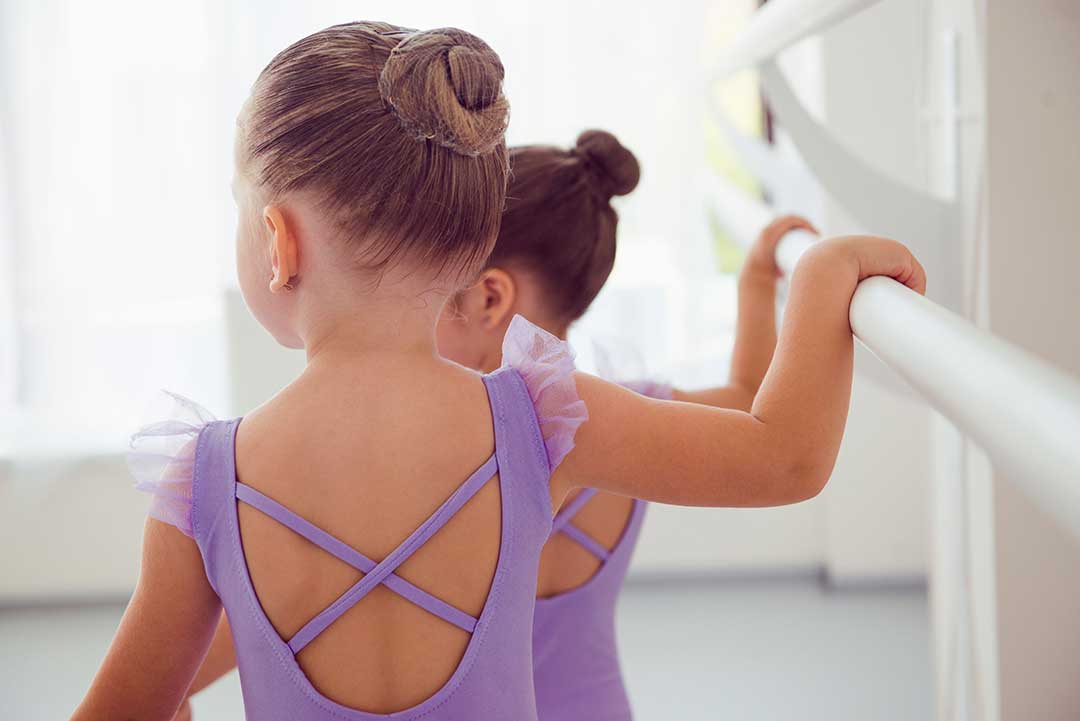
Cold, hard surfaces in Joliet homes in winter make injuries like sprains and strains more likely if precautions aren’t taken. If using a non-dedicated space, clear the area and allow extra time for muscles to warm up.
What Are Some Misconceptions About Dance Injuries?
Many residents believe that only high-level dancers get serious injuries. In reality, beginners and young children are just as likely to strain a muscle or sprain an ankle if they rush movements or skip warm-ups.
Another misconception is that pain is just part of progress. Brief soreness from a new movement is normal, but ongoing pain should not be ignored—your body is likely signaling overuse or improper technique.
How Should Dancers and Parents Respond When Injuries Happen?
If a minor strain or sprain occurs:
- Stop all dancing and put weight off the injured area
- Apply ice wrapped in a towel for 20-minute intervals
- Elevate the limb if possible to reduce swelling
- Rest from dancing until pain and swelling subside
For anything more severe—such as inability to move a limb, persistent swelling, or pain that doesn’t improve—a visit to a healthcare professional is warranted. Joliet area hospitals and clinics are equipped to handle musculoskeletal injuries and can recommend further care if needed.
What Habits Help Build Long-Term Resilience?
Developing lasting resilience against injuries means making protective habits part of every dancer’s routine:
- Take classes or train under qualified instruction to learn safe techniques
- Cross-train with other physical activities, like swimming or cycling, to build balanced muscle use
- Stretch after every practice to maintain flexibility
- Listen honestly to your body’s sensations and act on them
Young dancers, especially, benefit from consistent routines and regular reminders not to push through pain.
What Role Do Local Conditions in Joliet Play in Injury Prevention?
Joliet’s climate and lifestyle patterns add unique dance injury risks. Cold winters mean dancers need extra warm-up time, while hot, humid summers require attention to hydration and avoiding overheated spaces. Homes in the community may not be built for dance, so local families adapting their spaces should prioritize safety with cushioned mats and clutter-free zones.
Community centers or schools sometimes use multipurpose rooms for dance activities. If the flooring is concrete or tile, dancers should choose supportive sneakers or specialized dance shoes to reduce impact on joints.
Understanding the common causes of injury, watching for warning signs, and modifying habits for local conditions helps Joliet residents enjoy dance safely for years to come.