

 See My Latest Article on HelloNation
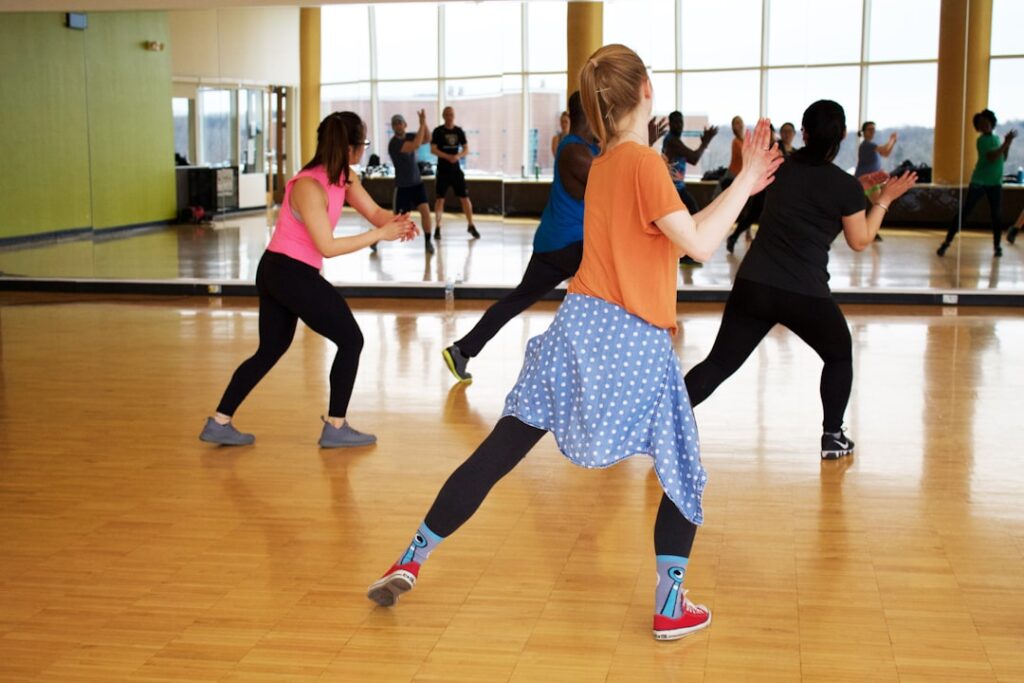
How Does Dancing Affect the Brain?
Research consistently shows that dancing challenges multiple regions of the brain, improving both cognitive and emotional health. Unlike many repetitive forms of exercise, dance requires coordination, rhythm, and adaptation. Whether following a routine or improvising, these demands stimulate brain areas related to memory, attention, and spatial awareness.
For local residents—especially those navigating seasonal changes that can limit outdoor activity—dancing offers a mentally engaging way to exercise indoors. The variety of movements and patterns forces the brain to stay alert and adapt, which strengthens mental flexibility over time.
What Cognitive Skills Improve With Dance?
Dance is unique because it combines physical activity with complex mental processing. This dual-tasking enhances skills such as:
- Memory retention, as learning and recalling steps exercises working and long-term memory.
- Focus and sustained attention, crucial for following instructions and synchronizing with music.
- Pattern recognition, helping the brain quickly identify movement sequences and rhythms.
- Decision-making in real time, especially in social or improvisational dance settings.
Local schools and community groups often report that participants engaged in regular dance exhibit stronger concentration and problem-solving outside the studio as well.
Can Dancing Reduce the Risk of Cognitive Decline?
Emerging evidence supports the link between regular dance activity and a lower risk of age-related cognitive decline. The challenge of learning choreography and adjusting to changes keeps connections in the brain active, potentially delaying conditions like dementia.
Older adults in the area find dance classes especially beneficial during colder months, when other activities become less accessible. By remaining mentally and physically engaged, participants sustain both neural health and physical coordination well into older age.
What Happens in the Brain During Dance?
Dancing activates multiple neural networks at once.
- The motor cortex coordinates movement.
- The basal ganglia control balance and rhythm.
- The hippocampus engages for memory and learning new steps.
- The prefrontal cortex guides planning and adapting movements.
This simultaneous activation strengthens neural pathways, making routine motions easier and forming new connections for novel skills. For local residents seeking to stimulate their minds during winter or when indoor activities are preferred, dance offers a practical, enjoyable option.
Does Dancing Improve Mood and Emotional Health?
Alongside cognitive benefits, dance triggers brain chemicals that boost mood and well-being. Moving to music increases dopamine and endorphins, associated with reduced stress and higher happiness levels.
Community dance programs across the city often highlight testimonials about reduced anxiety, improved social connection, and enhanced self-esteem, especially for younger participants or those new to group activities. The combination of movement, music, and shared experience creates a strong sense of belonging.
How Do Social Aspects of Dance Affect the Brain?
Dance often brings people together, whether in studios, at home, or during local events. Social interaction itself benefits the brain by:
- Encouraging verbal and non-verbal communication.
- Requiring collaboration and turn-taking.
- Building community, which reduces feelings of isolation.

During seasons when social gatherings are mainly indoors, residents find dance to be a valuable way to stay connected and engaged.
Are There Misconceptions About Dance and Brain Health?
A common misconception is that only highly skilled or young individuals can benefit from dance. In reality, people of all ages and ability levels can experience brain health advantages. Even casual movement to music in the living room provides cognitive stimulation.
Another assumption is that only physically demanding styles count. However, slower forms and seated dance can also activate brain regions involved in coordination and memory.
For families with varying activity levels or mobility needs, accessible options abound—making dance inclusive for the whole household.
What Types of Dance are Most Beneficial?
Though all dance forms help the brain, styles that prioritize learning new steps, coordination, and social interaction may offer the greatest benefits. Examples include:
- Partner or group dance, for teamwork and adaptability.
- Choreographed routines, for enhanced memory and sequence learning.
- Improvisational styles, for spontaneous decision-making.
Residents can adapt these formats for solo or family dance sessions at home, taking advantage of music and movement during evenings or inclement weather.
How Can Residents Make Dance a Brain-Boosting Habit?
To maximize the benefits, local households can:
- Set aside regular time for dance, even if just a few minutes per day.
- Mix up styles and music to challenge the brain with new patterns.
- Invite friends or family to join for added social stimulation.
- Use video resources or community programs for guided instruction.
Ultimately, the key is consistency and variety—engaging both mind and body for ongoing brain health benefits year-round, regardless of outdoor conditions.