

 See My Latest Article on HelloNation
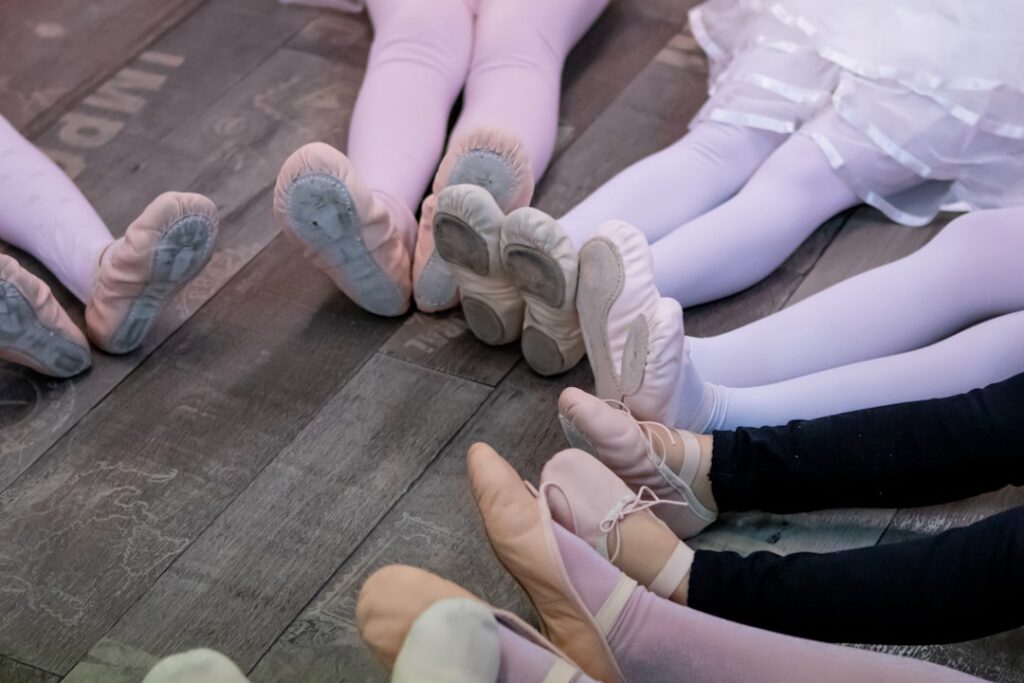
What Do Children Need From Parents During Their Dance Journey?
Children in Joliet, IL benefit most from consistent encouragement, a balanced schedule, and opportunities to explore dance at their own pace. The city's family-oriented lifestyle, seasonal weather, and community-centered events also shape how parents can best support their young dancers.
Support goes beyond attending recitals or paying for classes. The everyday routines—like providing a reliable ride during snowy winters, packing proper attire, or talking about feelings after class—help dancers feel secure, supported, and understood. Prioritizing a positive dance experience keeps children motivated and ensures they grow in both skill and confidence.
How Can Parents Prepare Their Children for Practice and Performances?
Preparation is about more than packing a dance bag. Supporting a dancer in Joliet means considering local conditions—like arranging safe transportation during icy months, or making sure children have weather-appropriate outerwear over their dance clothes.
- Set a consistent routine for class days that allows time for a small healthy snack and some stretching before heading out.
- Double-check dance shoes and required clothing ahead of time to avoid last-minute stress.
- Encourage children to express their emotions about upcoming practices or performances, treating nerves and excitement as normal.
For performances, establish calm rituals at home, such as listening to music together or practicing simple breathing exercises. Sharing supportive words before leaving for a recital can do as much good as applause afterwards.
What Role Does Encouragement Play in a Child’s Dance Success?
Genuine encouragement fosters resilience and self-esteem for dancers. In a place like Joliet, where many activities are family-centric, local children notice when parents show pride in their effort—not just results.
Positive support looks like:
- Celebrating small progress, not just major roles or awards.
- Attending local performances or community events, even if a child only appears briefly onstage.
- Focusing on enjoyment and personal growth, so children don’t tie their value solely to performances.
It helps to avoid comparing your child to classmates. Each dancer has their own strengths and challenges. Recognition of consistent effort and teamwork reinforces values beyond the dance studio.
How Much Should Parents Get Involved With Dance Outside of Class?
Interest from parents is encouraging, but overscheduling or excessive pressure can lead to burnout. Local parents often juggle multiple extracurriculars, so finding a reasonable rhythm matters.
- Let children guide their dance experience. Ask what they enjoy and what types of dance interest them.
- Expose them to dance beyond class—such as local theater, library events, or parades—but avoid overwhelming their schedule.
- Check in regularly about their feelings regarding class, rehearsals, and home practice.
Dance can coexist with other responsibilities and interests, and children who feel in control of their schedule are generally more motivated.
How Should Parents Handle Ups and Downs in Dance?
Setbacks are a natural part of a dance journey. Children may face disappointment, conflict with peers, or self-doubt. Joliet’s tight-knit community can support or, at times, intensify these feelings when children see friends and neighbors at local events.
- Normalize occasional setbacks—missed steps, not getting a desired part, or tough days happen to all dancers.
- Encourage open conversations about challenges and what can be learned from them.
- Reinforce that participation, effort, and resilience are more important than perfection.
If a child loses interest for a season, allow for breaks or a change in level rather than pushing for continued intensity. The goal is fostering a lifelong love of movement, not short-term achievement.
What Practical Steps Can Parents Take to Support Dance Health and Safety?

Dance is physically demanding, and children in Joliet may dance in a range of environments—historic buildings, shared community centers, or modern studios. Safety and health awareness begins at home:
- Check that dancers warm up and cool down to prevent injuries.
- Remind them to hydrate, especially after a long day at school or during hot summer programs.
- Monitor for overuse injuries—if a child complains of pain, allow time off and seek medical input if necessary.
- Label all belongings—lost items can be common in shared facilities.
Encourage balanced nutrition, regular sleep, and occasional mental health days. The diverse climate in Joliet means children sometimes need layers or backup clothing, depending on the day.
How Can Parents Foster a Healthy Attitude About Dance and Body Image?
Supporting a positive body image is vital, especially for young dancers. Dance encourages discipline and self-expression, but cultural pressures and costumes can affect self-esteem.
- Focus praise on effort, creativity, and progress rather than appearance.
- Use body-positive language and avoid negative comments about weight or shape, whether about the dancer or others.
- Address any unkind remarks from classmates promptly with compassion and open dialogue.
Children are most successful when they view dance as a joyful part of life, not just a competition. Encourage self-care, rest, and the idea that every body is a dance body.
Are There Unique Considerations for Joliet Families Supporting Dancers?
Area families face some distinctive circumstances—varying building facilities, unpredictable weather, and a rich tradition of community celebrations.
- Be flexible about class attendance during severe weather and discuss snow-day routines or carpooling options to ease stress.
- Take advantage of local arts activities, such as school performances, holiday parades, and park district events, for inspiration and exposure.
- Get involved respectfully: volunteering for recitals or community events can build connections but should reflect the child’s comfort and interest.
Dance in Joliet can be a rewarding path for children and families. With patient encouragement, healthy boundaries, and gentle routines that fit the rhythms of the area, parents can help children develop a deep, lasting appreciation for movement and artistry.