

 See My Latest Article on HelloNation
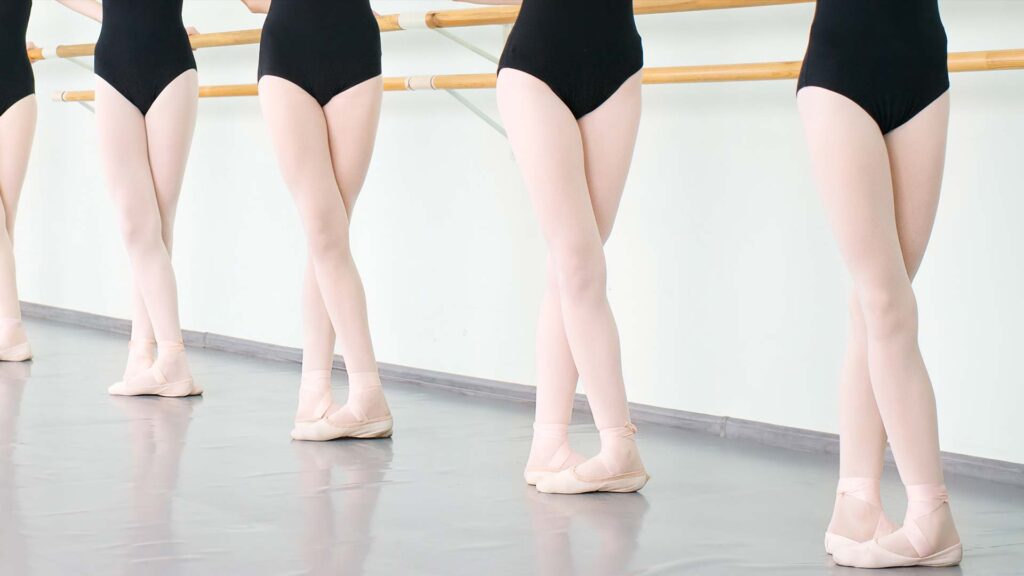
What Should Parents in Joliet, IL Consider Before Starting a Dance Class?
Parents often ask what factors matter most when enrolling their child in a dance class. The key is to balance your child’s interests, learning style, and comfort with local options that suit your household’s logistics.
Joliet families frequently juggle busy schedules, so class times, seasonal weather, and distance from home can shape the best choice. Consider how much time you can devote to weekly classes and travel, especially when Midwest winters might extend commutes. Look for class times that fit your household’s after-school rhythm and any preferred days off.
How Do a Child’s Age and Personality Influence Choosing a Dance Class?
Begin by matching dance styles and class structures to your child’s age and temperament. Many studios in the area design one-hour classes for preschoolers that build coordination and confidence with playful movement. For children under five, structured movement or creative dance fosters social skills in a low-pressure environment.
Elementary-aged kids may be ready for specific styles like ballet, tap, hip hop, jazz, or even folk steps. Pay attention to your child’s learning style: energetic kids may thrive in hip hop or acro dance, while quieter children might feel at home in ballet or lyrical classes that focus on musical interpretation.
Don’t overlook the power of class dynamics. Some children flourish in large, lively groups; others prefer smaller classes where individual attention is possible. Many parents discover the right fit after a trial period or observing a class firsthand.
Which Dance Styles Are Most Popular Locally, and What Should Parents Know About Them?
Area households often consider these styles first:
- Ballet: Offers structure, technique, and foundational skills useful for all forms of dance. Encourages discipline and focus.
- Tap: Involves rhythmic footwork and musicality, suitable for energetic learners.
- Jazz: Emphasizes sharp movements and rhythm, often inspired by popular music.
- Hip Hop: Builds confidence and self-expression, popular with kids who enjoy upbeat music and group routines.
- Contemporary/Lyrical: Merges ballet with expressive modern movement, supporting creativity and storytelling.
- Musical Theatre: Combines basic dance with acting and singing, ideal for outgoing personalities.
Neighborhood studios may also offer dance forms representing the area’s cultural diversity, from Latin dance to folkloric classes.
How Can Parents Tell If a Dance Class Is a Good Learning Environment?
A healthy dance environment should prioritize safety, respect, and positive reinforcement. Watch for these signs during a visit or trial:
- Teachers warmly greet children, manage the classroom calmly, and deliver instructions at a pace matched to the group’s age.
- The studio space is clean and organized, with age-appropriate flooring that prevents slips and injuries.
- Instructors use supportive language and focus on steady progress rather than competition.
Joliet’s family-focused lifestyle means many local classes avoid high-pressure atmospheres, but it’s still wise to ask about policies regarding costumes, recitals, and participation expectations early on. For households with tight budgets, double-check any additional fees for performances or gear.
What Practical Steps Help Families Narrow Down Choices?
Start by asking other parents, educators, or neighbors about their experiences. In many Joliet neighborhoods, word-of-mouth advice reflects real-world fit more than online ratings. Factors that often matter most include:
- Flexible attendance options for days with extreme weather or school events
- Accessibility features for children with special needs
- Clear communication from instructors, such as updates by app, email, or paper handouts

Many families try out a class or attend an observation day before making a decision, which often clarifies what feels right.
What Common Pitfalls Should Parents Avoid?
Local families sometimes overlook small but impactful details when choosing a class:
- Assuming a class is right just because a friend’s child attends—every child has a unique comfort zone.
- Overcommitting: Multiple weekly classes can overwhelm students, especially when balancing homework and other activities.
- Choosing solely based on style popularity without considering readiness or interest—motivation is often higher when children have a say in the decision.
Joliet’s mix of school schedules and extracurricular options can create crowded weeks, so choose classes that feel sustainable for more than a few months.
How Flexible Are Dance Studios With New Students?
Most local dance programs allow mid-year enrollment, beginner sessions, or opportunities for trial lessons, recognizing that families’ needs and interest levels can change throughout the year. If you’re uncertain about long-term participation or if your child is nervous about starting mid-season, ask about how students are integrated into ongoing classes.
A flexible approach often leads to longer-lasting enjoyment and skill growth for children who are exploring dance for the first time.
Are There Seasonal or Climate Considerations for Local Families?
Joliet’s autumn and winter months bring colder temperatures and occasional snow, which can affect travel and transportation to classes. Parents often look for locations with convenient parking and safe pathways for children. Some families also enroll kids in indoor activities like dance classes as a way to stay active during months when parks and outdoor play are limited.
These local climate patterns mean it’s practical to choose studios with consistent year-round operations and clear weather policies.