

 See My Latest Article on HelloNation
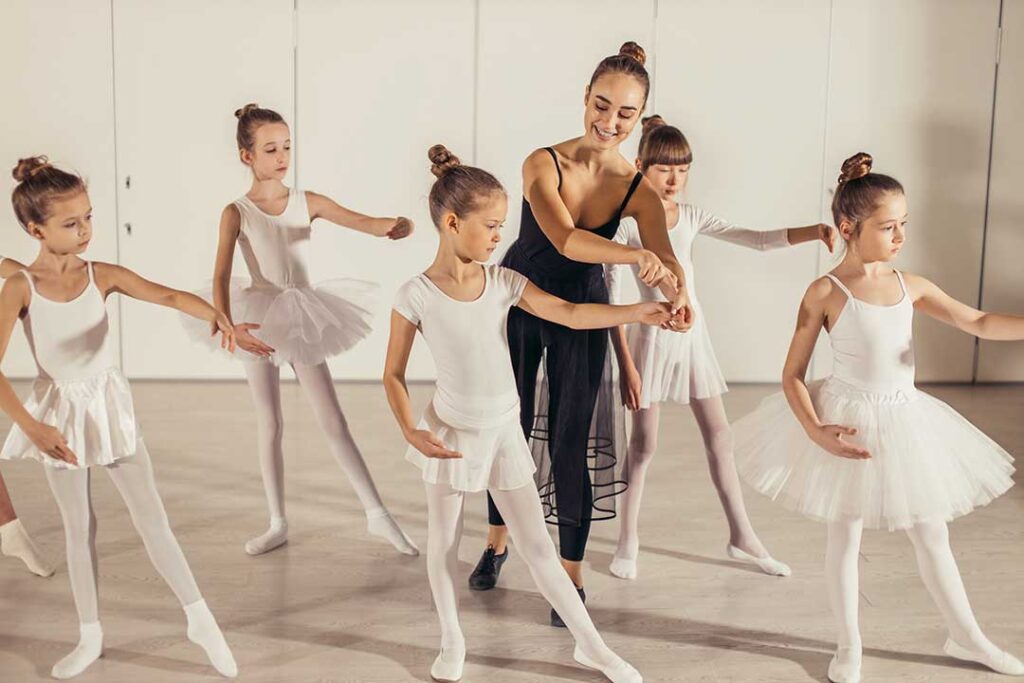
What Role Does Stretching Play in Dance?
Stretching is a foundational element in dance, helping dancers of all ages enhance flexibility, prevent injury, and improve movement. For residents of Joliet, IL who participate in dance or have dancers in their households, understanding how to stretch properly is as much about safety as it is about technique. Local students and families often ask why stretching should be a regular part of practice, especially considering seasonal changes and the varied rehearsal spaces common in the city.
Stretching prepares the body for the physical demands of dance by promoting better joint mobility and muscle elasticity. In a climate with cold winters and humid summers, as found in Joliet, taking time to stretch before and after classes helps muscles adapt safely to both warm and chilly studio environments.
Why Is Stretching Important for Dancers?
For dancers, flexibility gained from stretching is key to achieving proper form and technique. But the benefits extend beyond the ability to execute difficult moves.
- Injury Prevention: Proper stretching helps reduce the risk of strains, sprains, and overuse injuries by warming up soft tissues and improving joint range.
- Improved Performance: Increased range of motion allows for higher kicks, deeper pliés, and smoother turns.
- Recovery: Stretching afterward can ease muscle tightness and support faster recovery, which is helpful for those with multiple local rehearsals or performances during busy seasons.
In community dance programs or after-school studio lessons, routines often include dynamic stretching to prepare for movement followed by static stretching to cool down.
When Should Dancers Stretch?
The ideal timing for stretching depends on both the type of stretch and the dance activity planned.
- Before Class or Practice: Dancers benefit from dynamic stretches, like leg swings or lunges, that mimic upcoming moves and raise core body temperature.
- After Class: Static stretches such as hamstring or calf stretches help muscles recover and lengthen after intensive use.
- During Cool, Dry Periods: In Joliet, cooler months make a proper warm-up even more essential. Cold muscles are more prone to injury, so stretching in a gradually heated room or after light activity is safest.
Dancers should avoid intense static stretching before dancing while muscles are still cold, as this can lower performance and increase risk of pulls.
How Can Joliet Residents Make Stretching More Effective at Home?
Local households sometimes lack dedicated studio space, especially in older homes with limited open floor areas. Practical strategies make it easier for everyone to stretch safely:
- Use yoga mats or carpets to cushion joints on harder flooring.
- Choose a space free from obstacles like furniture or electronics.
- Encourage consistent routines by setting aside time before and after practice—even if sessions are short.
- During Joliet’s winter months, gently warm up muscles with light movement before stretching.
Parents can participate with their children, setting a positive example and making injury prevention a family habit.
Are There Mistakes to Avoid While Stretching for Dance?
Misconceptions about stretching sometimes circulate among students and their families. A few to watch out for include:
- Overstretching or Bouncing: Forcing a stretch or using bouncing motions may lead to strains.
- Ignoring Pain: Stretching should create mild tension but never sharp pain. Pushing to discomfort can cause microtears.
- Skipping Warm-Ups: Going directly from sitting or cold outdoor conditions to stretching increases injury risk.
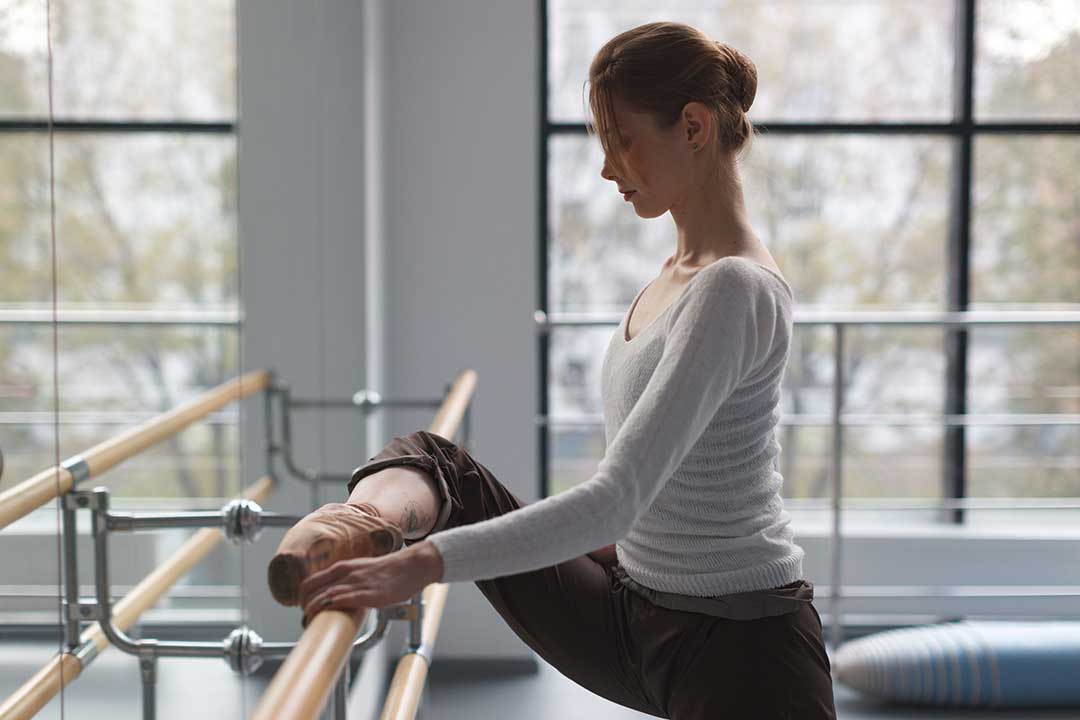
It’s common for dancers to think “the farther, the better,” but gradual improvement is safer. Consistency over weeks and months produces better results than infrequent, intensive sessions.
Can Environment Affect How Dancers Stretch?
Yes—local conditions such as season, indoor climate, and flooring type all play a role. Humidity and temperature can impact how easily muscles respond to stretching routines. For example, in Joliet’s winters, colder rooms mean more time should be spent on warm-ups before any deep stretching. High-humidity days in summer may lead to increased sweating, so it helps to stay hydrated and wipe moisture from floors to prevent slipping.
Home dance practices on tiled or hardwood floors should be paired with mats to protect hips and knees. In community spaces like local rec centers, dancers may need to bring layers to stay warm until their bodies are fully in motion.
What Local Practices Support Safer Stretching?
Local dance communities encourage adapting routines to personal needs and local conditions. A few Joliet-specific considerations include:
- Participating in community warm-up sessions, especially before group rehearsals.
- Adjusting intensity levels based on a dancer’s recent activity—those who’ve walked or biked to class may need less initial warm-up.
- Listening to teaching staff when dance programs or studios offer advice on seasonal stretching practices.
- Being mindful of the variety of dance forms offered in the city—ballet, hip hop, and jazz often have differing stretching needs.
Families can help by ensuring young dancers feel comfortable discussing tightness or discomfort during routines, which allows for adjustment and safer practice.
How Can Stretching Foster Lifelong Healthy Habits?
Starting a regular stretching routine, especially in childhood and adolescence, builds body awareness and self-care habits that last well beyond any specific dance program. Dancers who stretch routinely are more likely to develop posture awareness, balanced muscle strength, and injury resilience into adulthood.
For local residents, integrating stretching into home routines—not just before and after classes but also after sports, outdoor play, or long periods of sitting—can benefit overall well-being and physical comfort, especially during Joliet’s variable weather seasons.