

 See My Latest Article on HelloNation
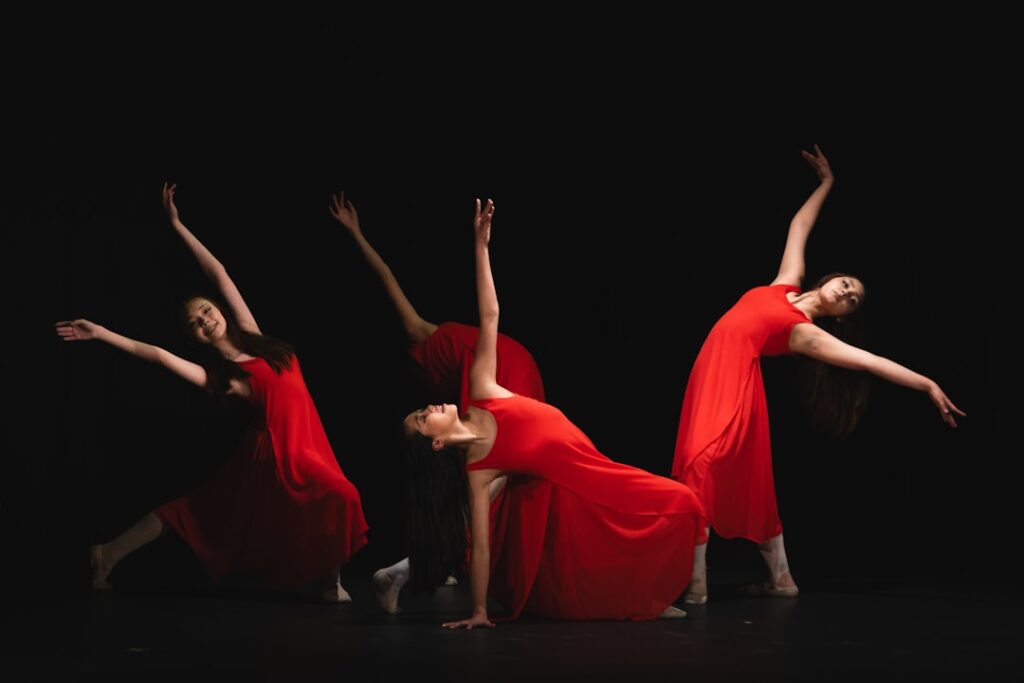
Why Do Dancers Experience Stage Fright?
Stage fright, or performance anxiety, is a common response to dancing before an audience. It often comes from self-consciousness, fear of making mistakes, or the pressure to impress others. For many in Joliet, IL, dance performances may be one of the few times they appear in front of a large group, whether at school, community events, or local recitals. Even experienced dancers can feel nervous, but understanding the reasons behind these emotions helps in managing them.
At its core, stage fright is a reaction to unfamiliar situations. Local dancers might find added pressure from performing in schools, parks, or community centers where familiar faces—friends, neighbors, or family—are in the audience. This environment can intensify anxiety but also offers a supportive community backdrop to help face those feelings.
How Can Preparation Reduce Performance Anxiety?
Building confidence through consistent preparation is one of the most effective ways to ease nerves before a performance. Practicing routines repeatedly, ideally in a setting similar to where the actual performance will occur, helps make the movements feel automatic.
Some practical steps include:
- Rehearse in the shoes and costume planned for the performance to avoid surprises.
- Simulate a performance environment with peers or small groups in local dance spaces, which can mimic the energy of an upcoming show.
- Use local community centers or open spaces to adjust to different acoustics and lighting, providing familiarity with various settings common in the city.
Preparation allows the brain and body to feel at home with the choreography and reduces fear of the unknown. In places like Joliet, where performance venues range from school auditoriums to parks and municipal halls, becoming acclimated to different environments can be particularly helpful.
What Simple Techniques Calm Nerves Before Going On Stage?
Taking a few minutes before walking on stage to focus on calming techniques can make a significant difference. Deep breathing exercises are easy to do anywhere, even backstage in compact or crowded settings often found at city events. Slow, controlled breaths signal to the body that it’s safe and help ease the racing heartbeat triggered by nerves.
Visualization is another effective tool. Dancers can quietly imagine themselves performing with confidence and executing every move smoothly. This mental rehearsal can reduce anxiety and set a positive tone.
For those who feel twitchy energy or jittery hands, discreet stretches or gentle shaking out of limbs can release excess nervous energy. In shared backstage areas, maintaining personal space and focusing inward, even briefly, can help ground nervous performers.
How Do Local Conditions Impact Stage Fright?
Environmental factors unique to Joliet can factor into stage fright, especially at events in older buildings, local gymnasiums, or outdoor venues. Weather, seasonal temperatures, and the unpredictability of outdoor noise can add layers of anticipation or distraction.

For outdoor performances, such as summer recitals or festivity showcases, dancers should be aware that wind, sun, or unexpected sounds—like passing trains or traffic—may contribute to anxiety. Practicing outdoors when possible, adjusting focus techniques, and mentally preparing for these variables can prevent surprises and boost readiness.
Cold winters and the need to travel between home, studio, and event locations can mean dancers arrive feeling tense from the weather or delays. Building a buffer into travel plans and warming up gently on arrival helps keep stress levels down and maintains readiness.
Can Support from Others Make a Difference?
Local dance performers often benefit from the encouragement and understanding of their peers, family, and coaches. Discussing nervousness with trusted friends or dance classmates can normalize the experience and create a sense of camaraderie. In the community culture of Joliet, mutual support is a strong tradition, and sharing strategies with fellow dancers may reveal helpful, locally tailored ideas.
Designating a supportive friend or classmate to provide a quiet pep talk or simply share a laugh before going onstage can also help ease tension. Family members, especially those familiar with dance events in the city, can provide reassurance by attending performances and offering consistent encouragement.
What Role Does Perspective Play in Managing Stage Fright?
Refocusing on the reasons for dancing—personal growth, love of movement, or community engagement—helps shift the emphasis from potential mistakes to enjoyment. Many dancers in community events across Joliet are there to learn, celebrate, and bring people together, not just to perform perfectly.
Reminding oneself that small missteps are common and rarely noticed by most audience members puts nerves in context. The main goal is to participate and share art, not to impress with flawless technique.
How Can Post-Performance Reflection Build Confidence?
After the performance, take time to reflect on what felt good and where improvements are possible. Honest, gentle self-reflection—not harsh self-critique—reinforces progress. Local dance teachers often recommend jotting down thoughts or sharing experiences with classmates after a show.
This process helps normalize stage fright and marks achievements that may not be obvious in the moment. Keeping track of each successful performance, however small, builds a base of positive experiences that make each subsequent appearance less daunting.