

 See My Latest Article on HelloNation
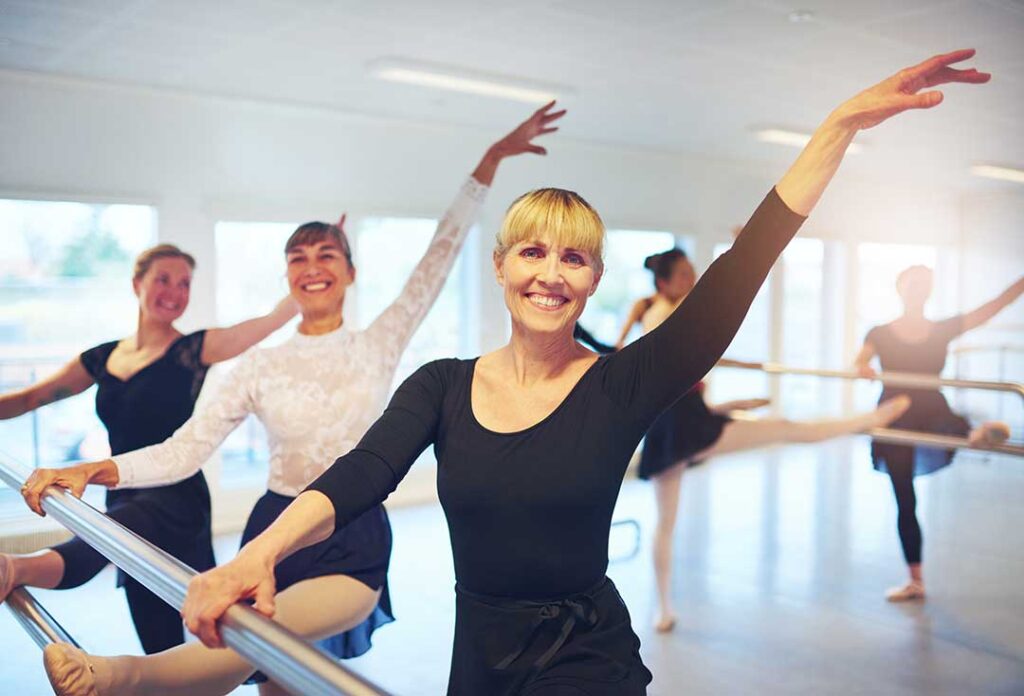
Dance is a practical form of exercise for adults because it combines aerobic activity, strength, balance, coordination, and mental engagement. For residents of Joliet, IL, it can also provide an indoor way to stay active during cold winters, hot summer afternoons, and days when outdoor exercise is less comfortable.
Unlike workouts that focus on only one physical skill, dance asks the body to perform several tasks at once. Stepping, turning, reaching, shifting weight, and maintaining rhythm can gradually improve fitness while keeping movement varied and engaging.
Can dance provide enough exercise for adults?
Yes. Dance can raise the heart rate, improve muscular endurance, and contribute to weekly physical activity when practiced consistently. The amount of exercise depends on the style, pace, duration, and intensity.
A relaxed social dance may provide light-to-moderate activity. Faster styles, continuous combinations, and routines with larger movements can become a vigorous workout. Adults can adjust the challenge by changing the pace, adding arm movements, dancing for longer periods, or choosing more demanding choreography.
A useful session often includes:
- Five to ten minutes of gentle movement to warm up
- Fifteen to thirty minutes of continuous or interval-based dancing
- A gradual slowdown and light stretching
Adults who are new to exercise do not need to begin with a full routine. Short sessions of ten to fifteen minutes can help establish consistency and reveal how the body responds.
Which parts of fitness does dance improve?
Dance supports several areas of physical fitness at the same time.
Cardiovascular endurance improves when dancing keeps the heart and breathing rate elevated for several minutes. Repeated sequences with limited rest can help build stamina for daily activities such as walking, carrying groceries, or climbing stairs.
Muscular endurance develops through repeated squats, lunges, rises, steps, and sustained postures. The legs, hips, abdomen, back, and shoulders may all contribute, depending on the movement style.
Balance and coordination are central to dance. The body must control direction, timing, posture, and weight transfer. These skills can be useful for adults who want to feel steadier while moving across uneven ground, navigating stairs, or changing direction quickly.
Flexibility and joint mobility may improve when dance includes controlled reaches, hip movement, spinal rotation, and gentle stretching. Flexibility gains are usually gradual and depend on safe technique rather than forcing a deep range of motion.
Does dance help with weight management?
Dance can support weight management by increasing energy use and making regular movement easier to maintain. However, weight change is influenced by many factors, including food intake, sleep, stress, age, medications, and overall activity.
The most useful role of dance is often consistency. People are more likely to maintain an activity that feels enjoyable, varied, and socially comfortable. Dancing can be done alone at home, with a partner, or in a group setting, allowing adults to choose an environment that fits their routine.
Weight management should not be the only measure of progress. Other signs of improvement may include:
- Being able to dance longer without excessive fatigue
- Recovering more quickly after activity
- Feeling steadier during turns and transitions
- Climbing stairs with less effort
- Improving posture and body awareness
- Experiencing less stiffness after sitting
Is dance appropriate for adults with limited mobility?
Dance can often be adapted for different ability levels, but the movements must match a person’s current balance, joint function, and medical needs. Seated dance, supported standing movements, smaller steps, and slower tempos can still provide meaningful activity.
Adults with arthritis, previous injuries, balance concerns, or long periods of inactivity may benefit from beginning with low-impact movement. Keeping one hand near a stable support, avoiding sudden pivots, and choosing shoes with appropriate traction can reduce unnecessary strain.
Pain that is sharp, worsening, or associated with swelling, dizziness, chest discomfort, or unusual shortness of breath should not be ignored. Anyone managing a significant health condition should ask a qualified healthcare professional how to modify exercise safely.
What dance styles are useful for fitness?
No single style is required. The best choice is one that can be performed safely and practiced regularly.
Line dancing can provide repeated stepping patterns, moderate aerobic activity, and coordination practice. It may be modified by reducing the size of steps or leaving out turns.
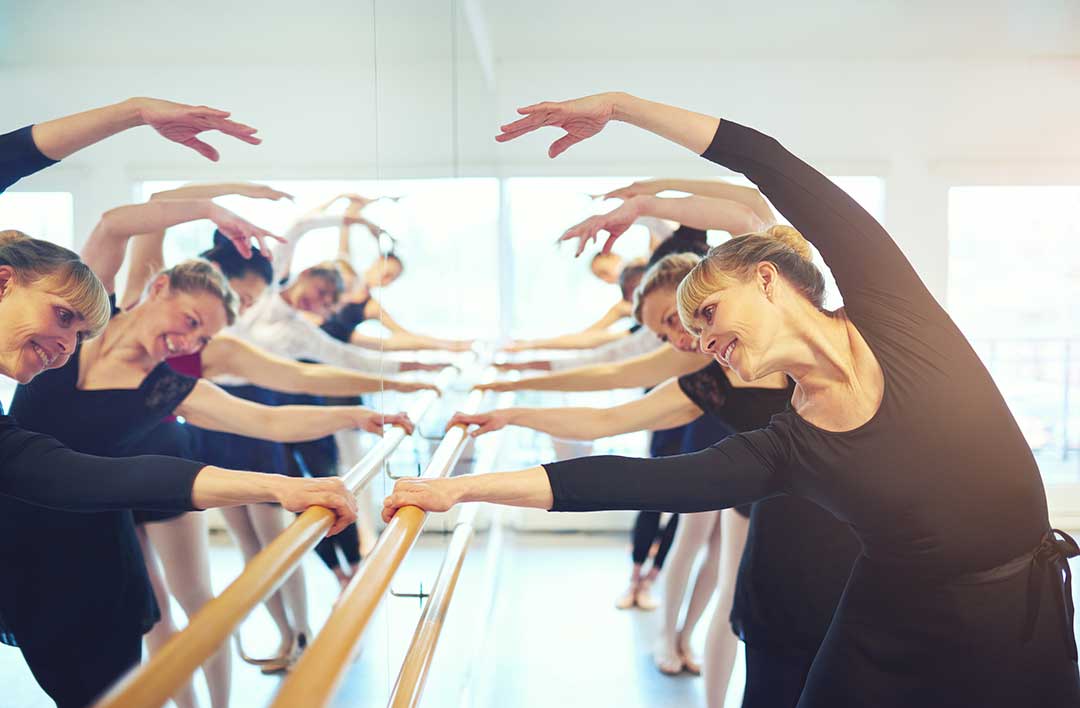
Ballroom and partner dancing can improve posture, balance, rhythm, and weight shifting. The intensity varies widely by style and pace.
Jazz, contemporary, and basic choreography may offer larger ranges of motion, changes in direction, and muscular endurance work. Beginners should start with simple combinations before attempting fast or complex sequences.
Low-impact dance fitness generally emphasizes continuous movement without jumping. This can be useful for adults who want an aerobic workout while reducing stress on the knees, hips, or lower back.
Seated dance uses the arms, torso, feet, and upper body to support mobility and coordination. It can be appropriate for people who cannot stand for long periods or who are returning to movement after illness or injury.
How can adults start without overdoing it?
Beginning gradually is safer and more sustainable than trying to complete an advanced routine immediately. An adult who has been inactive can start with two or three short sessions per week and increase time or intensity slowly.
A practical starting plan might include:
- Warming up with easy marching or side steps
- Practicing basic steps near a clear, uncluttered area
- Keeping movements small until balance and control improve
- Taking breaks before exhaustion affects technique
- Drinking water before and after activity
- Cooling down with easy walking and gentle mobility work
Footwear should be comfortable and secure. Very slippery surfaces can make turns risky, while overly sticky flooring may place extra stress on the knees during pivots. At home, loose rugs, cords, and furniture should be moved out of the practice area.
Can dance benefit mental health as well as physical health?
Yes. Dance requires attention, memory, timing, and decision-making, so it provides mental stimulation along with movement. Learning a sequence can challenge concentration, while familiar music may make exercise feel less repetitive.
Dance can also support mood by creating a structured break from sitting, work demands, or household responsibilities. Group participation may add social connection, although dancing alone can still provide physical and emotional benefits.
Adults should not view mistakes as failure. Remembering a sequence often improves with repetition, and improvising or simplifying movements can keep the activity enjoyable without reducing its value.
How can Joliet residents make dance part of a weekly routine?
A consistent schedule is usually more effective than relying on motivation. During colder months, adults may choose indoor dancing in a living room, community space, or another safe area. In warmer weather, dancing can be paired with other activities such as walking, provided the surface is even and the temperature is comfortable.
A balanced weekly routine might combine dance with walking, resistance exercises, stretching, or rest days. Adults should allow recovery after unusually demanding sessions, especially when a routine includes jumping, deep bending, or repeated turns.
Dance does not need to look polished to count as exercise. Steady movement, safe progression, and regular participation are the factors most likely to improve fitness over time.