

 See My Latest Article on HelloNation
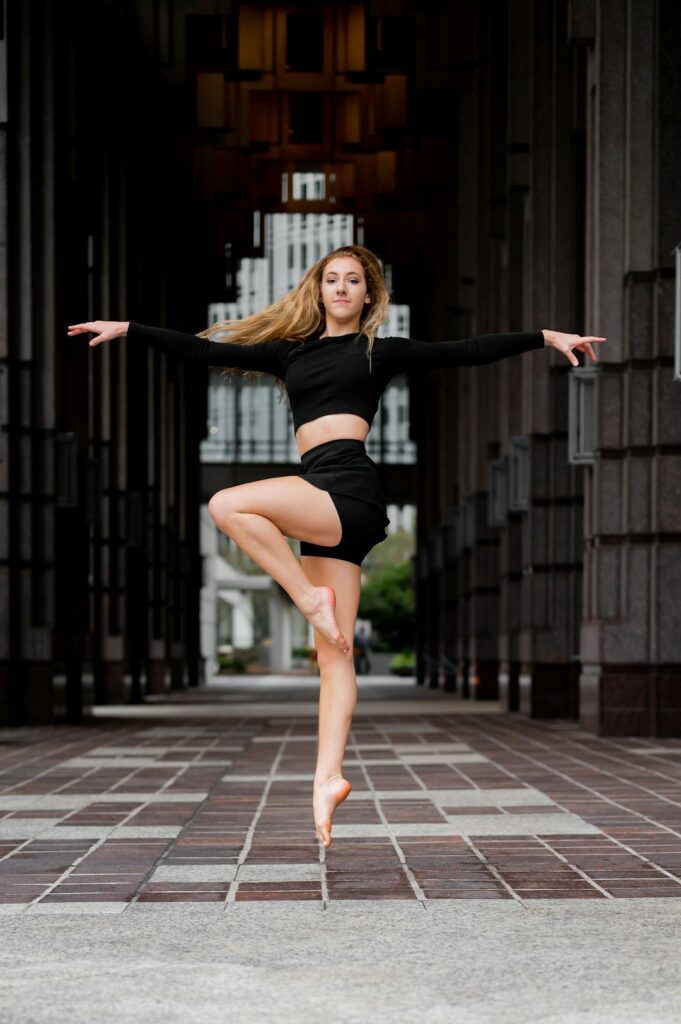
How Can Dance Help Improve Self-Confidence?
Dance creates a unique space where individuals can express themselves, take risks, and grow more comfortable in their own skin. For many local residents, stepping onto the dance floor is unfamiliar territory, but it often leads to positive self-discovery and stronger confidence. By learning new skills and participating in group activities, dancers gain reassurance from their achievements, which translates to other aspects of daily life.
What Makes Dance a Supportive Environment for Personal Growth?
Supportive group settings in dance classes allow individuals to challenge themselves in a low-pressure, communal way. Most dance classes involve group instruction, which helps participants see that everyone, from beginners to more experienced dancers, faces challenges while learning. This shared experience promotes encouragement among classmates and fosters a sense of camaraderie. Practicing together builds trust, reduces anxiety about mistakes, and motivates participants to keep trying.
Are There Specific Ways Dance Develops Confidence Over Time?
Yes, repeated practice leads to visible improvement and greater self-belief. As people in the community attend regular lessons, they notice progress in rhythm, coordination, and musicality. Seeing growth in these areas provides tangible proof of their capabilities. Achieving milestones—like mastering a challenging move or remembering an entire routine—offers moments to celebrate effort and persistence.
Examples of how confidence can grow through dance include:
- Performing a short routine in front of classmates and feeling supported, even if nervous at first
- Finally nailing a spin or leap that seemed out of reach during the first few weeks
- Receiving constructive feedback and using it to improve without feeling discouraged
What Barriers Might Residents Face When Starting Dance?
Common barriers include self-doubt, fear of judgment, or discomfort with learning something new in front of others. Many area households may feel hesitant due to worries about their age, fitness level, or coordination. Others might think dance is only for children or those with prior experience.
Misconceptions that sometimes hold people back:
- Believing dance is only for those who are naturally "graceful" or physically fit
- Worrying about looking awkward or making mistakes in a group setting
- Thinking progress will be too slow or results won’t be noticeable
Local programs often welcome beginners of all backgrounds, and classes usually progress at a manageable pace. Instructors are trained to create a nonjudgmental, inclusive atmosphere and encourage participants to focus on personal improvement rather than comparison.
How Can Parents and Guardians Use Dance to Support Their Children’s Confidence?
Dance is an inclusive activity for children seeking positive peer interaction and creative outlets. In group and solo settings, young dancers learn to express themselves, listen actively, and handle feedback constructively. The structure of classes provides social routines, allowing shy or reserved children to find their voice and build friendships outside a typical school environment.
Supportive tips for guardians:
- Encourage children to try classes, even if they feel anxious about starting
- Be positive about effort and perseverance rather than just outcomes or “winning”
- Attend recitals or showcases to offer encouragement, emphasizing enjoyment and participation
Dance can help children become more comfortable in new social situations, develop public performance skills, and increase resilience as they learn from setbacks.
What Role Does Dance Play in Promoting Emotional Well-being?
Physical movement is linked to emotional regulation and stress relief. Dance, as a creative form of exercise, triggers the release of endorphins, elevating mood and helping to manage anxiety levels. This benefit is especially relevant during the colder months, when outdoor activity can be limited due to weather conditions typical in and around the city.
Participating in dance can offer:
- An outlet for expressing emotions that might be challenging to communicate verbally
- A positive distraction from day-to-day stressors
- Opportunities to set goals, both short-term (learning a sequence) and long-term (building strength or preparing for a performance)

Such factors contribute to an overall sense of well-being and accomplishment, both valuable in developing and reinforcing self-confidence.
What Practical Steps Can Residents Take to Begin Building Confidence Through Dance?
Getting started is often the largest hurdle. Choosing a class or style that aligns with one’s interests makes the process less intimidating. Many community programs offer introductory classes for various ages and experience levels, so exploring these options can be helpful.
Consider these actionable ideas:
- Opt for beginner or “no experience necessary” sessions to remove performance pressure
- Go with a friend or family member for additional support and accountability
- Set personal and manageable goals, such as attending a certain number of classes each month or learning a simple dance to completion
- Remember that progress may include making (and learning from) mistakes
Patience and regular participation can lead to visible gains in skill and self-assurance, whether the purpose is recreation, fitness, or self-expression.
What Are Commonly Overlooked Benefits of Dance Related to Confidence?
Some benefits extend beyond the dance studio. Improved posture, eye contact, and presence—developed through dance techniques—can positively influence social and professional interactions. Additionally, gaining familiarity with learning in a group can translate to greater assertiveness in team environments or public speaking opportunities.
Residents often overlook how transferable these skills are:
- Poise gained from holding proper dance positions can support more confident communication
- Remembering sequences and routines improves memory, attention, and persistence
- Taking creative risks in a supportive setting can ease anxiety about facing unfamiliar situations later
Exploring dance is less about technical perfection and more about enjoying movement, connecting with others, and building lifelong self-assurance. For those living in the community, embracing dance as a form of personal growth offers benefits that reach well beyond the dance floor.