

 See My Latest Article on HelloNation
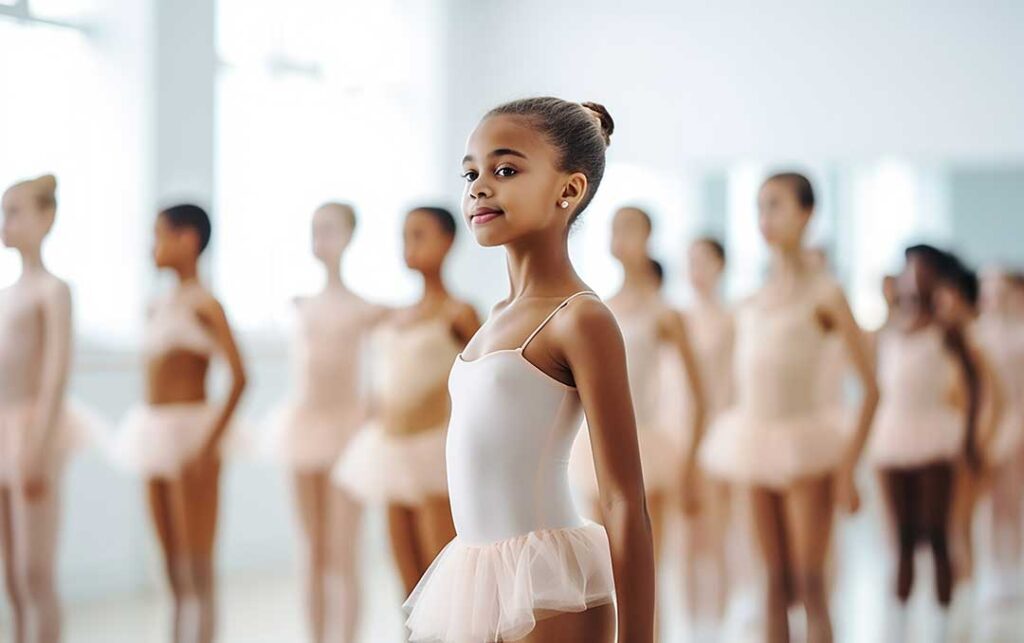
Staying motivated as a dancer is less about feeling inspired every day and more about creating habits that support progress when enthusiasm is low. Dancers in Joliet, IL may balance training with school, work, family responsibilities, changing schedules, and seasonal conditions that affect energy and transportation. A practical motivation plan makes it easier to continue participating without relying on constant excitement.
Why does dance motivation change over time?
Motivation naturally rises and falls. A dancer may feel energized before a performance, discouraged after a difficult class, or distracted during a busy part of the year. These changes do not necessarily mean that interest in dance has disappeared.
Motivation can be affected by:
- Physical fatigue or soreness
- Repeating the same exercises without a clear purpose
- Comparing progress with other dancers
- Fear of making mistakes
- Academic, work, or family demands
- Limited sleep, food, hydration, or recovery time
- Seasonal changes in daylight and daily routines
A temporary drop in motivation is often a signal to adjust expectations rather than quit. The goal is to understand what has changed and respond appropriately.
How can a dancer set goals that actually help?
Useful dance goals are specific, realistic, and connected to an action. “Become a better dancer” is too broad to guide daily practice. A clearer goal might be improving balance in turns, remembering choreography more quickly, increasing flexibility safely, or performing with greater confidence.
Try organizing goals into three levels:
- Long-term goal: A broader outcome, such as performing a complete routine with confidence.
- Short-term goal: A skill to work on over several weeks, such as improving spotting during turns.
- Daily action: A small step, such as practicing spotting for five minutes or reviewing one section of choreography.
Goals should also be measurable without becoming stressful. A dancer might track attendance, practice time, completed combinations, or moments of improved focus. Progress is not limited to higher jumps or faster turns. Better musical timing, stronger posture, improved memory, and calmer recovery after mistakes are meaningful developments.
What should a dancer do on days when motivation is low?
On difficult days, reduce the size of the task instead of abandoning it completely. A short, focused practice session can maintain continuity without placing unnecessary strain on the body.
A low-motivation practice might include:
- Reviewing choreography mentally while listening to the music
- Practicing arm placement or posture without full-out movement
- Stretching gently after the body is warm
- Watching a recorded rehearsal to identify one improvement
- Marking choreography at reduced intensity
- Writing down one question to bring to the next class
The “minimum practice” approach is useful because starting often feels harder than continuing. However, rest is different from avoidance. If a dancer has sharp pain, unusual swelling, dizziness, illness, or significant exhaustion, recovery should take priority over practice.
How can dancers avoid losing motivation through comparison?
Comparison can provide information, but constant comparison often weakens confidence. Dancers develop at different rates because of differences in experience, physical development, instruction, schedule, and previous training.
A healthier comparison asks:
- What can be learned from this dancer’s technique?
- Which specific skill appears stronger?
- What exercise could help develop that skill?
- How does current performance compare with personal progress from a month ago?
Watching advanced dancers can be useful when it inspires study rather than self-criticism. Focus on observable details such as timing, alignment, transitions, or use of space. Avoid treating someone else’s current ability as evidence that personal progress is impossible.
How does a practice routine support consistency?
A routine removes some of the decision-making that can lead to procrastination. The schedule does not need to be complicated. A dancer might choose two brief practice periods during the week and one longer review session, depending on class demands and recovery needs.
A practical routine includes:
- A consistent time whenever possible
- A short warm-up before demanding movement
- One technical focus
- One creative or musical exercise
- A few minutes of cooldown or reflection
A practice log can make progress visible. Record the date, focus, energy level, and one observation. Over time, these notes may reveal patterns, such as stronger concentration earlier in the day or reduced energy after several demanding sessions.
For local residents, routines may also need to account for winter weather, shorter daylight hours, school calendars, or travel conditions. Having an indoor backup plan—such as marking choreography, reviewing notes, or doing approved conditioning—can help maintain continuity when outdoor travel is difficult.
Can changing the type of dance practice restore interest?
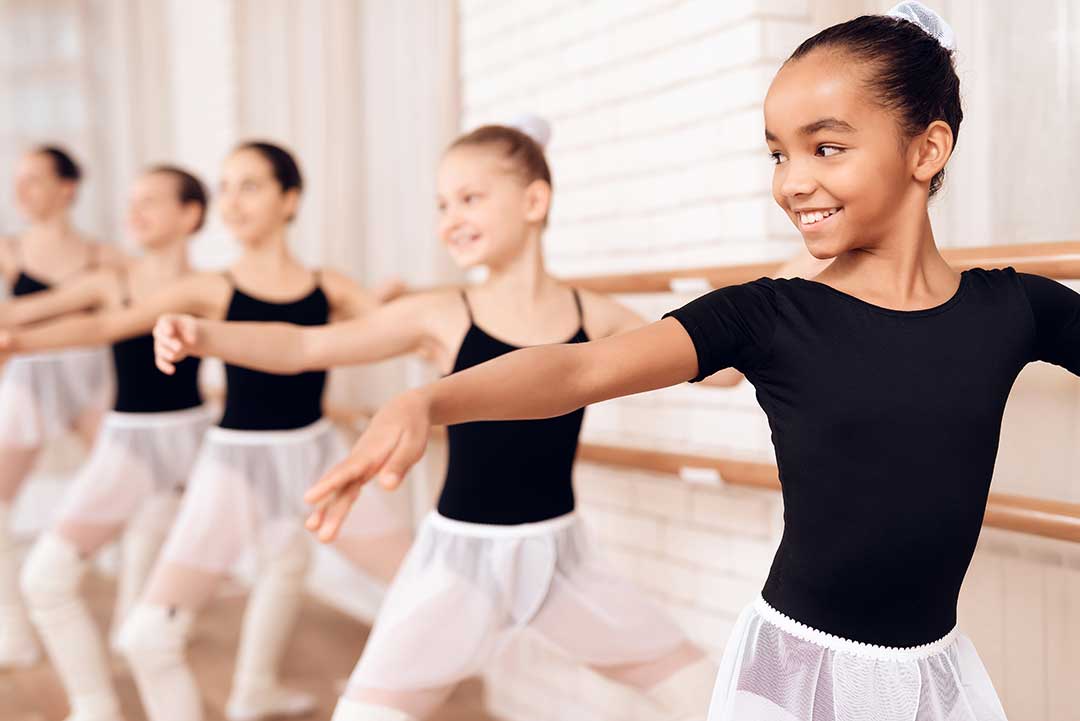
Yes. Repeating one type of practice for too long can create mental fatigue. Variety does not mean abandoning technique; it means approaching development from different angles.
A dancer can rotate among:
- Technique and alignment
- Musicality and rhythm
- Choreography retention
- Improvisation
- Strength and mobility
- Performance quality
- Dance history or observation
Creative practice is especially useful when training begins to feel mechanical. Improvising to unfamiliar music, changing the direction of a combination, or creating a short phrase with a specific emotion can renew curiosity. These activities also help dancers remember that dance includes expression, not only correction.
How should dancers respond to setbacks?
Setbacks are easier to manage when they are treated as information. Forgetting choreography, missing a turn, or receiving critical feedback does not define a dancer’s ability. It identifies a skill that needs more attention.
After a disappointing class or performance, ask:
1. What specifically went wrong?
2. Was the issue technical, physical, mental, or related to preparation?
3. What part was within personal control?
4. What is one adjustment for the next session?
Avoid using broad judgments such as “I am bad at dance.” Replace them with precise observations, such as “I lose the rhythm during the transition” or “I tense my shoulders when I feel rushed.” Specific language leads to specific solutions.
Feedback is most useful when a dancer listens for an actionable detail. If several corrections are given at once, choose one or two priorities rather than trying to fix everything immediately.
How do sleep, food, and recovery affect motivation?
Low motivation may sometimes be physical depletion rather than a lack of commitment. Sleep supports concentration, coordination, learning, and emotional regulation. Regular meals and adequate hydration also affect energy during training.
Recovery can include:
- Rest days or lower-intensity sessions
- Gentle mobility work
- Comfortable sleep routines
- Balanced meals and snacks
- Hydration before and after class
- Time away from performance-focused thinking
Dancers should avoid using pain, extreme restriction, or exhaustion as proof of dedication. Sustainable training supports both physical health and long-term interest.
How can families support a young dancer’s motivation?
Young dancers generally benefit from encouragement that recognizes effort, preparation, and persistence rather than appearance or constant achievement. Helpful questions include, “What did you learn today?” or “Which part felt more comfortable than before?”
Adults can support motivation by helping with realistic schedules, transportation planning, rest, and communication about workload. They should also watch for persistent signs of distress, including fear of class, frequent unexplained pain, major changes in eating or sleeping, or intense anxiety about mistakes. These concerns deserve calm attention and appropriate support.
Motivation becomes more durable when dance remains challenging but emotionally safe. A dancer does not need to feel excited every day to continue growing. Clear goals, manageable practice, varied training, recovery, and honest reflection can keep participation meaningful through busy seasons and inevitable setbacks.