
 See My Latest Article on HelloNation
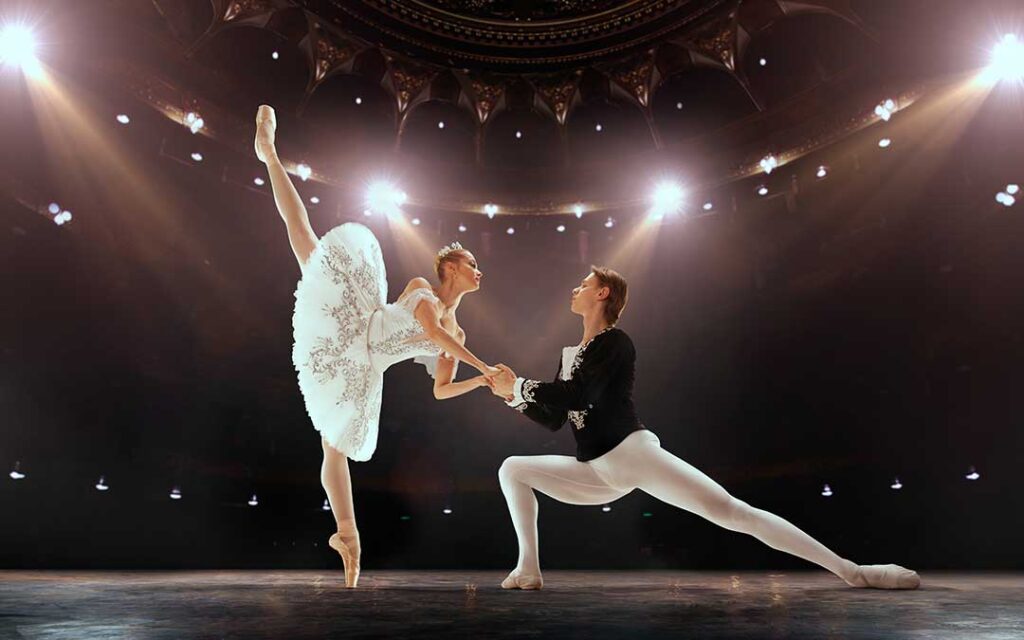
Dance is a practical way to develop coordination and balance because it asks the body to control several actions at once. A dancer may need to listen for rhythm, remember a sequence, shift weight, maintain posture, and move safely through space—all within a few seconds.
For children, teens, and adults in Joliet, IL, dance can support physical skills used in sports, school activities, household tasks, and everyday movement. Its benefits do not depend on performance level. Beginners can improve coordination and balance through simple, repeated movements.
How does dance improve coordination?
Dance improves coordination by teaching the brain and body to organize movements in a specific order. A person may move the arms while stepping with the feet, turn the head toward a new direction, or change speed when the music changes.
This type of practice strengthens several forms of coordination:
- Bilateral coordination: Using both sides of the body together, such as stepping while swinging opposite arms.
- Hand-foot coordination: Combining arm positions with foot patterns.
- Timing coordination: Moving at the correct moment in relation to rhythm or musical counts.
- Spatial coordination: Understanding where the body is positioned in relation to other people and objects.
- Sequential coordination: Remembering and performing movements in a particular order.
These skills develop gradually. A beginner may first practice a four-count step without arm movements. Once the feet become more familiar with the pattern, the arms, direction changes, or turns can be added. This progression gives the nervous system time to learn each part before combining them.
Why does dance help with balance?
Balance depends on the ability to keep the body’s center of mass controlled over its base of support. Dance repeatedly challenges this ability through standing on one leg, shifting weight, stopping quickly, rising onto the toes, and changing direction.
Dance can develop both static balance and dynamic balance. Static balance is the ability to remain steady while standing still, such as holding a pose. Dynamic balance is the ability to stay controlled while moving, turning, stepping, or landing.
Several physical factors contribute:
- Stronger muscles around the ankles, legs, hips, and trunk
- Better awareness of body position
- More controlled weight transfer
- Improved ability to adjust posture
- Greater confidence during movement
Balance is not only a matter of leg strength. Vision, inner-ear signals, joint awareness, and muscle control all contribute. Dance gives the body repeated opportunities to use these systems together.
What dance movements build these skills?
Many basic dance exercises support coordination and balance without requiring advanced choreography. Walking patterns, side steps, marching, grapevine-style movements, gentle turns, and standing poses can all be useful.
Movements that are especially helpful include:
- Stepping forward and backward while maintaining an upright posture
- Moving side to side while keeping the knees softly bent
- Tapping one foot while the other supports the body
- Balancing briefly on one leg near a stable surface
- Reaching the arms in different directions while standing
- Pausing after a turn instead of rushing into the next step
- Changing from slow movements to faster patterns
- Practicing the same sequence facing different directions
The goal is controlled movement, not speed. A person who performs a simple pattern accurately is practicing more effectively than someone who rushes through a difficult sequence with poor posture or unstable landings.
Can dance help children with coordination?
Dance can help children learn how to control their bodies, follow directions, and understand rhythm. Young children often develop these abilities through playful movement rather than formal exercise.
A dance activity may ask a child to:
- Copy a movement
- Stop when the music pauses
- Follow a pathway across the floor
- Move high, low, fast, or slowly
- Remember two or three steps in order
- Keep a safe distance from others
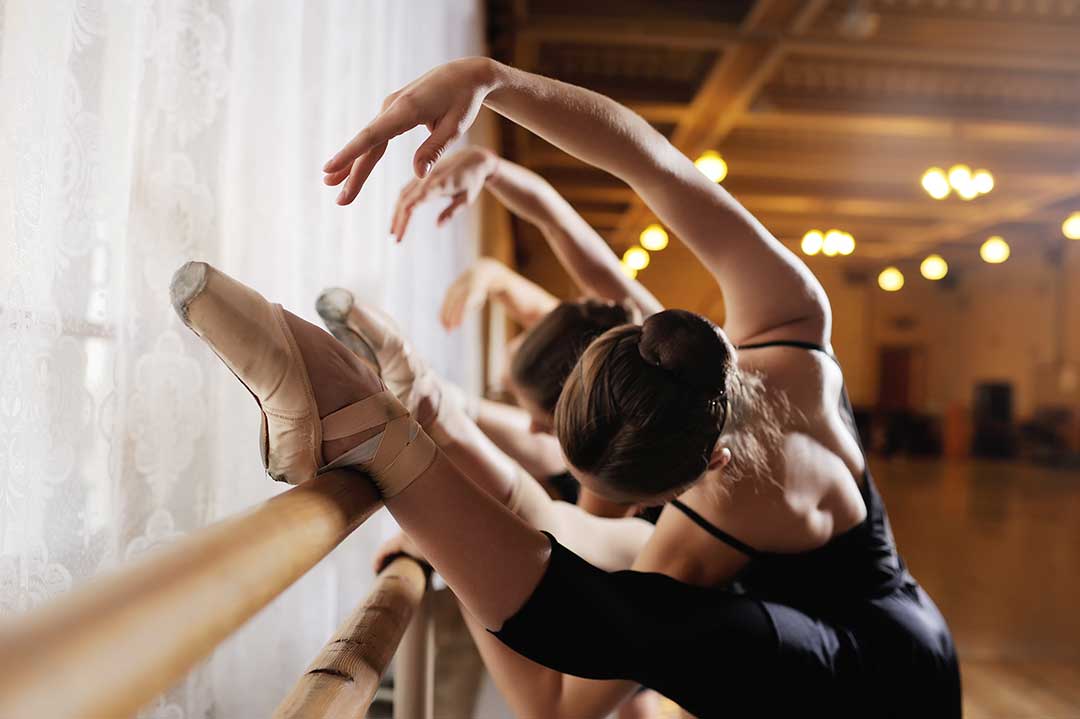
These tasks support motor planning, which is the brain’s ability to decide how a movement should happen. They also encourage concentration and listening. For children who appear awkward or hesitant during physical activities, a gradual and encouraging environment can make practice feel more manageable.
Progress may look subtle. A child might begin by stepping out of time, losing balance during turns, or forgetting the sequence. With repetition, the child may begin to anticipate the next movement, recover from a wobble, and coordinate the arms and legs more smoothly.
Is dance useful for teens and adults?
Yes. Coordination and balance remain relevant throughout life, and dance can provide a structured way to maintain them. Teens may benefit from improved body control for athletics, physical education, and recreational activities. Adults may use dance to stay active, practice posture, and challenge movement skills that are often neglected during sedentary work.
For adults who spend long periods sitting, dance introduces changes in direction, weight shifting, trunk movement, and footwork. These activities can help counter the limited movement patterns common during desk-based routines, driving, or household tasks.
Older adults may also benefit from dance-based movement, provided the activity is matched to their abilities and performed in a safe setting. Slow stepping patterns, supported balance exercises, and deliberate changes in direction can help maintain mobility. Dance should not be treated as a guarantee against falls, but regular balance practice can be one part of a broader approach to safe movement.
Does dance improve balance better than ordinary exercise?
Dance is not automatically better than every other form of exercise. Its value comes from combining balance, coordination, rhythm, memory, and movement variety in one activity.
Strength training, walking, stretching, sports, yoga, and physical therapy may address different needs. Dance is especially useful for people who enjoy learning patterns and moving to music. Enjoyment can support consistency, and regular practice generally matters more than choosing a single “perfect” activity.
Dance also differs from simple repetitive exercise because the body must respond to changing instructions. A routine may require a different direction, pace, level, or sequence. That ongoing adjustment gives the brain practice solving movement problems.
How can local residents practice safely?
Seasonal conditions can affect how people travel to and from activities in Joliet. During colder months, snow, ice, wet floors, and bulky clothing may make movement less stable. Indoor practice should take place on a clear, reasonably even surface with enough room to extend the arms and move without striking furniture.
Helpful safety habits include:
- Wearing footwear that fits securely and provides appropriate traction
- Keeping floors free of loose rugs, cords, and clutter
- Starting with a gentle warm-up
- Practicing near a wall or sturdy support when working on single-leg balance
- Stopping if pain, dizziness, chest discomfort, or unusual shortness of breath occurs
- Increasing difficulty gradually rather than adding speed immediately
A brief warm-up might include walking in place, shoulder movements, ankle circles, and several slow weight shifts. The purpose is to prepare the joints and muscles, not to exhaust the body before practice begins.
What misconceptions should people avoid?
Dance does not require natural rhythm, exceptional flexibility, or advanced athletic ability. Coordination is a trainable skill, and many people improve by repeating small sections at a comfortable pace.
Another misconception is that balance means never wobbling. Minor adjustments are normal. The useful skill is learning how to regain control safely. A dancer who steps down, widens the stance, or pauses to recover is practicing balance management—not failing.
Dance also should not be used to diagnose or treat a medical condition on its own. Persistent falls, severe dizziness, sudden weakness, significant pain, or a major change in coordination deserves medical attention. For people recovering from an injury or managing a neurological, orthopedic, or vestibular condition, movement choices may need to be adapted to individual guidance.
Coordination and balance improve through repeated, attentive practice. Dance offers a flexible way to develop both by combining rhythm, posture, weight shifting, memory, and controlled movement in an activity that can be adjusted for many ages and experience levels.