

 See My Latest Article on HelloNation
What Types of Dance Are Commonly Practiced in Joliet, IL?
Dance in Joliet encompasses a wide range of styles, reflecting both traditional foundations and current trends. Residents of the city often encounter opportunities to learn and observe various forms of dance in schools, recreation centers, and community events. Exploring the key styles helps newcomers and families decide which might suit them best, whether for recreation, fitness, or creative expression.
How Do Ballet, Jazz, and Tap Differ?
Ballet, jazz, and tap are foundational studio styles, each with its own technique and history.
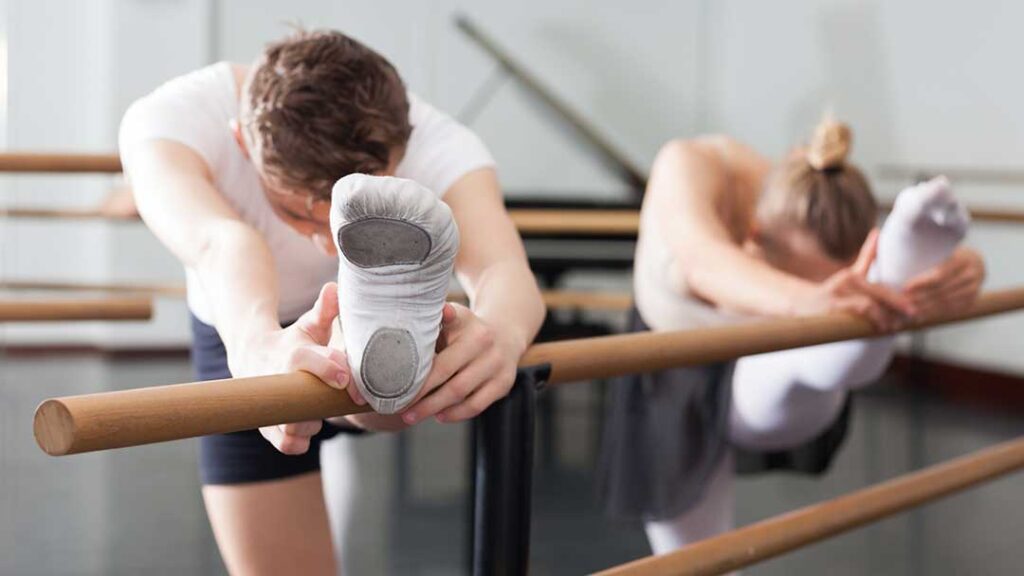
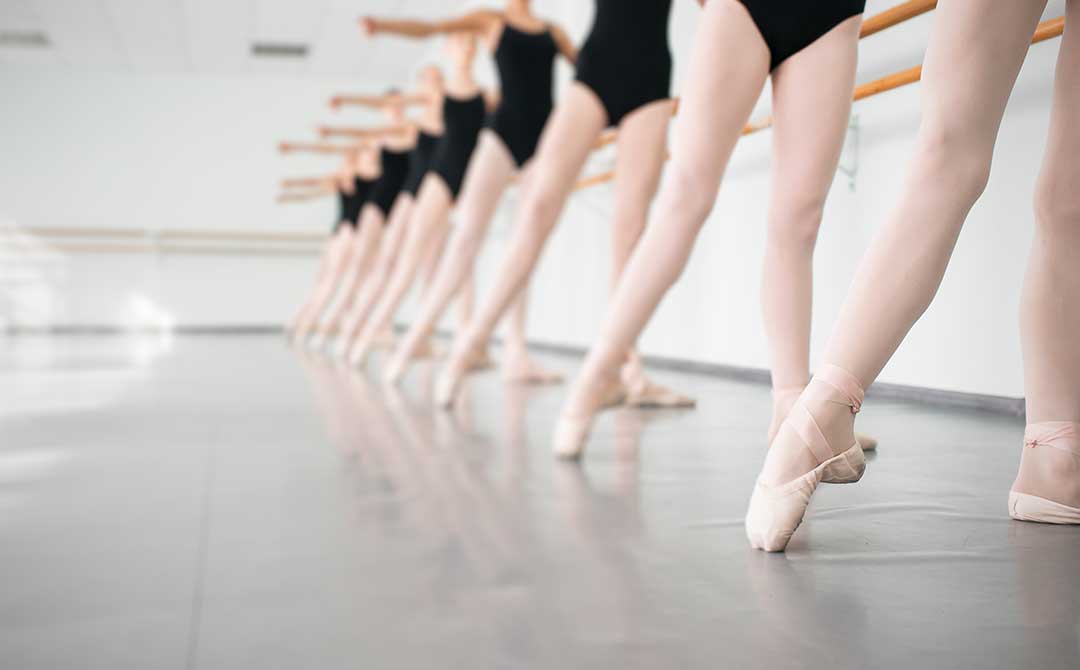
- Ballet is a classical dance form emphasizing precise movement, strength, and grace. Dancers often move to orchestral music, using techniques like pliés and arabesques. Ballet teaches posture, body control, and discipline, making it a common starting point for beginners as young as preschool age.
- Jazz dance is energetic and expressive, often choreographed to pop or theatrical music. Movements are sharp, with isolations (moving one body part at a time) and improvisation. Many Joliet-area recitals and theater productions incorporate jazz styles.
- Tap dance uses special shoes with metal plates on the toes and heels to create rhythmic sounds. Tap routines emphasize timing and listening skills, making them both musical and athletic.
While these styles may be taught separately, it’s common for students in Joliet to sample more than one to build coordination and discover personal preferences.
What Is Hip-Hop Dance and Who Enjoys It?
Hip-hop is a broad category rooted in street dance and urban culture. For youth in Joliet and surrounding neighborhoods, hip-hop remains a popular choice due to its upbeat music and creative expression. Styles under the hip-hop umbrella include breaking, popping, locking, and house.
- Hip-hop classes often feature group choreography, improvisation, and freestyling.
- Many area families appreciate hip-hop for its focus on rhythm, self-expression, and athleticism.
Hip-hop can be adapted for all ages and skill levels, though classes may emphasize high-energy moves and stamina. It is commonly seen at talent shows and school performances.
Is Contemporary Dance Different from Modern Dance?
Both styles are similar, but they have unique origins and philosophies.
- Modern dance emerged in the early 20th century to break away from classical ballet’s constraints. It features grounded movements, floor work, and emotional storytelling.
- Contemporary dance is a more recent evolution, blending aspects of ballet, modern, and jazz. It emphasizes versatility, improvisation, and fluidity.
Contemporary and modern dance classes in Joliet give students the freedom to explore movement beyond rigid structures, often with creative choreography that encourages personal interpretation. Both are popular with teens and adults who enjoy lyrical music and storytelling through movement.
What Do Ballroom and Social Dances Include?
Ballroom and social dances are generally partner-based, focusing on patterns, timing, and etiquette.
- Ballroom styles such as the waltz, foxtrot, and tango are structured and formal, often performed at special events or competitions.
- Latin dances like salsa, cha-cha, and rumba are vibrant, rhythmic, and emphasize hip motion.
- Social or line dances involve groups or pairs and may include styles like swing, two-step, or group-oriented dances at community gatherings.
Participation in ballroom and social dance provides an avenue for adults and couples to enjoy music, meet others, and stay active, especially during local events or seasonal celebrations.
What Are Some Folk and Cultural Styles Local Families Encounter?
Residents of Joliet are exposed to a variety of folk and cultural dance traditions, reflecting the city’s diverse population. These dances are often showcased during cultural festivals, parades, and school events.
- Irish step dance and Polka—popular at local heritage festivals—feature quick footwork and group formations.
- Mexican folklórico and African dance introduce participants to different rhythms, costumes, and stories.
- These community dances build awareness of heritage and can draw families together for shared experiences.
Kids and adults alike may join themed programs to learn about these traditions and celebrate their own backgrounds.
What Does "Lyrical Dance" Mean?
Lyrical dance blends jazz, ballet, and contemporary techniques to create expressive routines that interpret the words and feeling of a song. Movements are smooth and emotive. It appeals to students who enjoy telling stories or exploring feelings through dance.
Lyrical classes develop musicality, balance, and flexibility, as well as stage presence. This style is featured at many youth performances and competitions in the city.
Are There Dance Styles Geared Toward Fitness or Social Connection?
Several dance forms focus on fun and fitness rather than formal technique:
- Zumba and other dance-inspired fitness sessions mix Latin and world music with easy-to-learn moves.
- Creative movement for young children uses simple steps and imagination for active play.
- Adult classes in swing, salsa, or line dance are common for those seeking social interaction and exercise.
Many households in Joliet find these formats accessible and enjoyable, especially when seeking a welcoming and supportive environment rather than formal instruction.
What Misconceptions Do Local Residents Often Have About Dance Styles?
It’s common to assume certain styles are limited to specific ages or fitness levels, but most are adaptable. For example:
- Ballet and tap are often viewed as youth-only, but adult beginner classes are increasingly available.
- Hip-hop is sometimes seen as exclusively for teens, yet classes often serve children and adults.
- Ballroom might appear intimidating but welcomes a full range of abilities and ages with beginner-friendly formats.
Exploring a new style does not require extensive previous experience; dance in Joliet is accessible to newcomers looking for creativity, fitness, or stress relief.