

 See My Latest Article on HelloNation
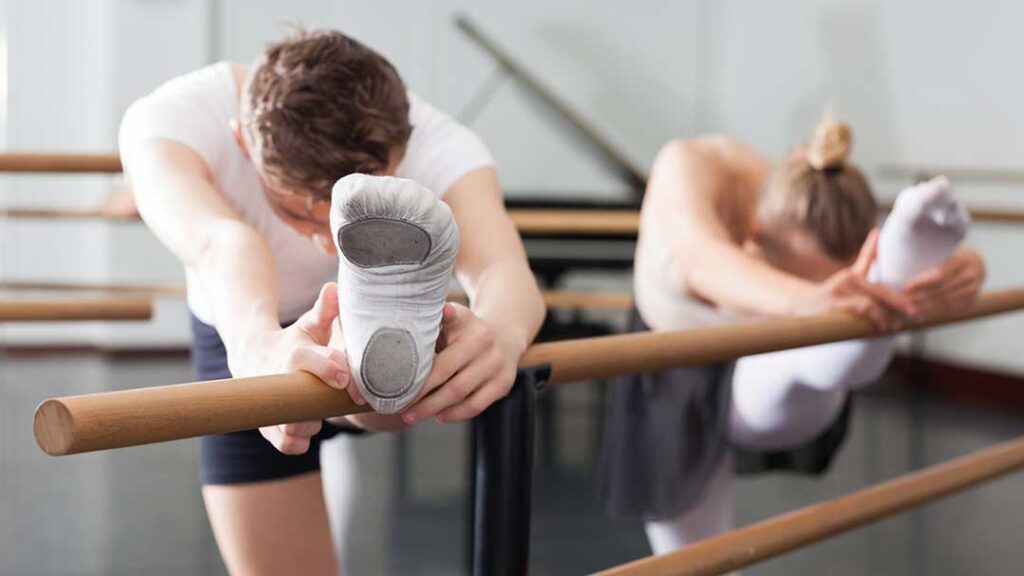
How Does Dance Encourage Teamwork in Group Settings?
Dance, especially in group or partner formats, requires individuals to cooperate and synchronize with others. In any style—whether it’s ballroom, hip-hop, or contemporary—dancers depend on each other to execute routines correctly and safely. This cooperative aspect goes well beyond choreography. Local residents who participate in group dance classes experience firsthand the need to communicate, adapt, and trust their peers. In practice, dancers often adjust their timing, spacing, and movement to create group harmony, helping everyone succeed together.
Regular participation also helps young people in the community develop these skills in a non-competitive environment. Missteps are a normal part of learning, and students routinely support each other through practice and performance. The expectation to encourage others fosters a positive team culture that is often carried into other aspects of daily life.
What Social Skills Are Strengthened Through Dance?
Dance develops a range of social skills that are crucial for both children and adults. These include:
- Active listening: Following instructors’ directions and responding to subtle cues from dance partners require attentive listening.
- Verbal and nonverbal communication: Dance routines often depend on eye contact, gestures, or brief verbal signals, all of which improve communication abilities.
- Respect and empathy: Dancers learn to appreciate others’ perspectives, abilities, and boundaries.
- Conflict resolution: Navigating disagreements, such as creative choices in choreography or scheduling practices, teaches constructive problem-solving.
Families in the area often find that children who engage in dance are more comfortable initiating conversation, cooperating in classroom projects, and empathizing with peers.
How Does Dance Support Confidence and Social Connection in Joliet?
Dance classes provide a structured, supportive environment that nurtures self-confidence. Sharing achievements, overcoming stage nerves, and participating in recitals create opportunities for students to feel valued among peers. Exposure to these experiences—whether during winter showcase season or local community festivals—encourages residents to form new friendships and deepen their connection to others.
For newcomers or those who feel shy in social settings, dance can offer a welcoming space where common goals lower social barriers. This is especially helpful in diverse neighborhoods where dance styles from various cultures are celebrated, supporting inclusion and a sense of belonging.
Are There Everyday Examples of Dance Fostering Teamwork?
Yes, many local households see the benefits outside the studio. For example, youth who participate in group choreography often bring newfound patience and cooperative behaviors to family projects or school group work. Adults joining recreational dance groups describe stronger collaboration skills, reporting that habits like listening, waiting their turn, and offering encouragement have become second nature.
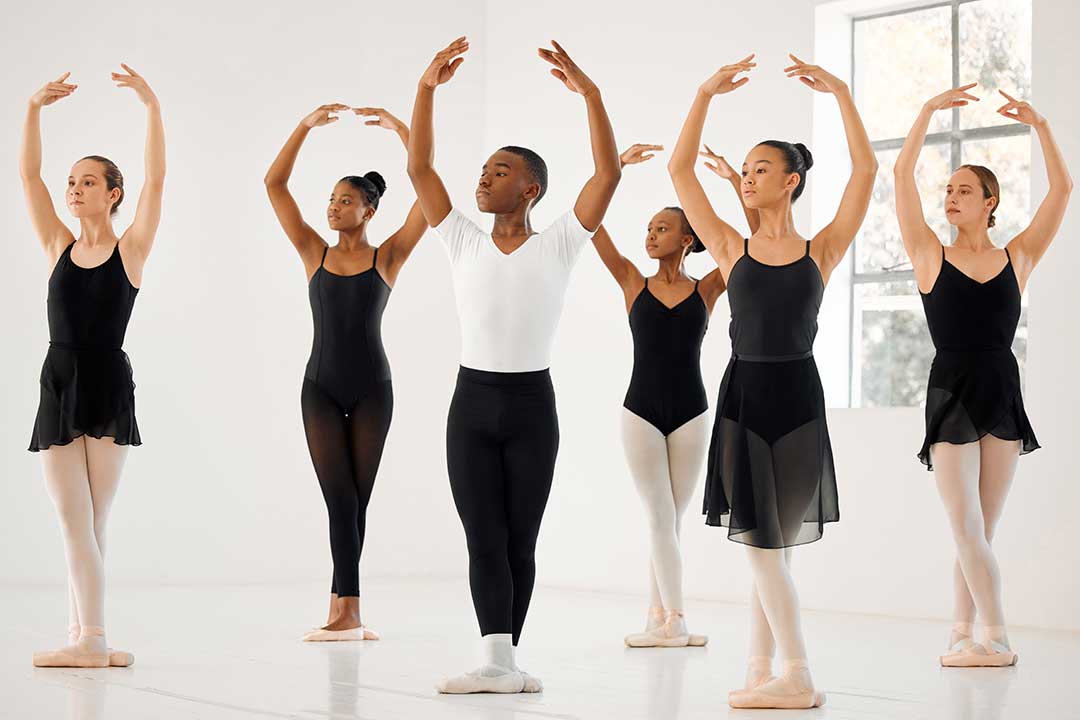
Neighborhood events that feature dance—such as spring recreation programs or holiday parades—let participants practice and showcase the teamwork skills built during regular classes. This public practice helps cement lessons learned in a familiar local context.
Can Solo Dance Still Help with Social Skills?
Even though solo dance styles are more individualized, they can still foster social growth. Dancers often share studio space, give peer feedback, and participate in collective warm-ups, all of which require mutual respect and appropriate personal interaction. Community dance events or open practice sessions provide a natural setting where solo performers can interact, share tips, and celebrate each other’s progress, building camaraderie without formal group routines.
What Misconceptions Exist Around Dance and Teamwork?
A common misconception is that dance only improves physical skills or is mainly about showmanship. In reality, group dance—whether for youth or adults—demands a range of interpersonal skills to function effectively. Instructors typically focus on group collaboration as much as technical skill, and many routines cannot succeed without close cooperation.
Another misconception is that teamwork benefits only children or those interested in formal competitions. In practice, community members of all ages and backgrounds, including recreational dancers, enjoy improved teamwork and social confidence through regular participation.
What Should Local Residents Consider Before Joining a Dance Group?
Anyone considering dance as a means to strengthen social abilities should look for programs that prioritize collaboration and positive environment over competition. Residents with younger children may want to choose classes that emphasize play, creative movement, and team exercises, especially important during cold winter months when outdoor social activities are limited. Adults who are new to dance will find that many programs allow flexibility, making it easy to try different styles or join with a friend to ease first-day nerves.
Participation does not require prior experience. Many local programs are welcoming to beginners and offer trial opportunities to help individuals find the right fit for their needs or schedule.